It does which is why medically supervised weight loss with GLP1s includes diet recommendations to mitigate this.
But in my experience, decreased cravings make it easier to choose food rationally. The food noise that causes people to overeat usually doesn’t cause them to overeat healthy foods anyway.
> But in my experience, decreased cravings make it easier to choose food rationally. The food noise that causes people to overeat usually doesn’t cause them to overeat healthy foods anyway.
"Food noise" is much more than just craving calories, we have cravings for most of the different nutrients we need. That is how people ate a balanced diet in history even though it was much harder to do back then, peasants craved meat and vegetables even though it was easier to just eat potatoes for calories.
Anecdotal, but I think we need to consider that modern marketing and supply chains have a huge impact here. Without any cravings control, my mind was perfectly happy craving burgers, fries, and pizza 24/7 for thirty years. It hated every bite of veggies.
My personal experience is like getting eye glasses for your appetite. Easier to eat reasonably sized portions and they're nutritionally well-balanced.
Also the late night cravings are more specific: instead of vague "need to eat something", it's "I'd love a tomato" or "mmm yogurt" or "actually a load of carbs would hit the spot".
That's the problem with the definition of "healthy". No single food is "healthy" on it's own. It's a wrong way to look at it and why most people fail at finding a good diet. There's no super food you can just eat unlimited amounts of.
A diet can be healthy if it's the nutrient combination of different foods that result in certain number of calories, protein, fat, carbs, minerals and vitamins per unit of time.
> People can get fat by eating too much healthy food.
It's a lot harder, as many of the comments mentioned, because of caloric density and lack of appetite hacks (sugar, salt).
A can of Mountain Dew is 170 kcal + 46g of sugar.
A navel orange is ~75 kcal + 13g of sugar + 3.2g of fiber + 1.25g of protein.
So take someone from Appalachia with a 4 can / day habit (modest), and that's ~10-12 oranges. That's a lot of oranges to not get sick of eating.
Which is where I think the sugar + salt difference comes in.
It's far easier to overload on the same food when it's stuffed with these appetite attractants than a caloric equivalent of healthy food, because the health food will taste more similar (read: like itself), which will eventually get boring.
>Pediatricians should support policies that seek to reduce the consumption of fruit juice and promote the consumption of whole fruit by toddlers and young children already exposed to juices.
There was a study comparing big and small eaters with and without obesitas. Turns out that skinny people who eat a lot eat also eat a lot of fat and protein and that fat people who eat almost nothing eat mostly carbs and sugar.
I think there's a bit of a caveat there, because that basically means eating reasonably high calorie food in sufficient quantities that starts violating the "healthy food" definition.
I consumed +11lbs (5.1kg) of food yesterday for only 2,500kcal
If you have a stomach and appetite that are capable of consuming the 15 to 20 lb you need to eat 3,500 to 4,000 calories of similar foods, you ought to call a research lab
2500 kcal is waaaayyy above the TDEE of most people (especially most women - who hover around 1200-1500 TDEE; but even for men, 2000 TDEE is quite common for a regular office worker lifestyle). So most people would get quite fat quite rapidly eating that.
true but you'll struggle getting tons of calories out of whole foods.
This is why mass gainers are popular, underweight people find it hard to gain weight so they dirty bulking using fast food which is often calorie dense.
Eating healthy food alone isn't solution, you need to make your life active as well.
No with the fiber that’s perfectly fine. The slow release of sugar is perfectly fine. Obesity is the main risk for insulin, fast release sugar is bad for insulin via obesity not on its own.
Your first sent once and your last sentence don't align.
Yes. Fruits are healthy. One orange is healthy. 10 oranges are unhealthy. Same concept applies to water. Drinking too much can be unhealthy as well, but that doesn't change the fact that water is good.
I know Math is hard for you, so let me explain it:
10 oranges have a total of roughly 700 calories and 120 grams of sugar while only having 30 grams of fiber. It's mainly sugar. Eating 10 oranges per day crowds out protein, fat and other nutrients.
It's not a made up claim. You are a made up claim, troll.
I know it ends up as pedantry, but specifying the period with every post/restatement is so critical in these threads. 10 oranges a day is unhealthy, but so is 10 oranges a year to someone trying to make a counter point.
The glycemic index also comes into play. It essentially measures how much certain foods keeps you full regardless of calories. So healthy food, even if you’re consuming the same calories as junk food, is going to keep you full longer.
I don't think you'll struggle to get tons of calories out of whole foods, but you'll be satiated faster eating whole foods, which will in all practicality, mean you ate less.
Intentionally eating good food is a lot more about where your head is at than what you’re eating, like any other devices. You can better understand the mentality of a person by their diet that they evolved through personal experience.
Specifically for me it makes junk food unpleasant. My diet is now impeccable. I hardly ever have a takeaway and if I do it needs to be something that is not greasy and is good clean food.
I also find drinking alcohol much less pleasant. I still drink sometimes but after a few beers or glasses of wine it starts to become very unappealing and I stop.
I do bodybuilding and I’m still getting my 150g of protein in.
I’m barely overweight and I’m losing weight very slowly but I’ve decided I’m likely to stay on GLP’s long term, if not forever, just because the lifestyle changes have been so incredibly good.
Perhaps this helps dispel the myth that GLP drugs inherently = relentless starvation.
I have a friend who was literally ordered, by a doctor, to eat as much fat as they could because they were too skinny. They're the type of person for whom food is 100% fuel and they can just stop mid-burger and not eat the second half because "they don't feel like it".
I'm not like that. Leaving half a burger that I paid for on the plate is something I've never done or even considered a possibility that any sane person would do.
Same. College nutritionist: "I'm going to give you the opposite advice of everyone else. If you can add butter to something, do it."
Then add in a fast metabolism. Until middle age, I literally couldn't eat enough food that I remotely enjoyed to hit target weight for my height.
I guess the easiest way to describe my subjective experience is that the "You're hungry, eat" audio channel is turned waaay down in my brain, to the extent that anything moderately attention-capturing overrides it (a project, reading, hiking, tv, etc).
I'll feel the physical and psychological symptoms of hunger (body feels cold, irritable, low energy) before I'll feel the signal to eat.
I'd be fascinated to get my gut biome sequenced + see my natural GLP-1 levels, as I've always been like this.
How many people you see with 3 eyes and 4 on regular basis to claim people are different? I'd argue most people aren't that different.
Calorie balance works for majority of people.
>I have a friend who was literally ordered, by a doctor, to eat as much fat as they could because they were too skinny. They're the type of person for whom food is 100% fuel and they can just stop mid-burger and not eat the second half because "they don't feel like it".
Here's a thing, most of the underweight people tell me they are genetically predisposed to not gaining weight. When I calculate calories in their regular diet, what I notice is a very low-calorie diet.
After that, I put them on calorie-dense shakes and high-intensity workouts, with light movement, and their appetite quickly starts growing as they start consuming healthy fats.
The same engine which starts this appetite can also have a "thermal runway" kind of mechanism where your appetite just becomes very large and it becomes harder to dial down.
You don't desire to brush your teeth (at least not in the way that you desire to consume calorie-dense foods). But you manage to still do it anyway. (maybe not you specifically, but people in general) You can make the same choice about nutrition. The lowered desire makes it easier/possible to do this
You lose your appetite but can still shove things in your pie hole. You just have to make an effort to shove vegetables and protein in, rather than making an effort resist eating junk food.
the term "gut feeling" exists for a reason. the findings substantiated this colloquial wisdom and its relevance ... the article hints at it by associating mental disorders with gut microbiome. I wouldn't be surprised at all if it turns out that Ozempic et al. harm this gut/brain cooperation ... I'd bet on it.
How much and how long do you want the bet you go for? How do you even want to define "harms". Let's say there's a road from the gut to the brain. If today's ultra processed food is motorcycles ripping down the road as fast as possible, and Ozempic is the police, saying whoa there, slow down, buddy, then from the POV of the motorcyclists that's harmful, but for everyone else around them, that's good.
If you want the real answer, people suck at shopping for groceries and don't know how or want to cook.
Long before LLMs, there was a different but similarly misguided hype around making food more convenient. Making money off ignorance is not "innovation", but we live in a world convinced by arrogant and pretentious fearmongering liars.
As always, just do it yourself. It's not that hard after all.
Eating disorders are mental health condition. Just because there are a lot of visible "false" cases, it doesn't mean that someone else is not living it for real. Your comment is insensitive
Agreed, and often the root cause is something else in a person’s life (stress, feelings of losing control etc ).
Adding new labels related to food doesn’t do anything to fix the underlying conditions and if anything distracts from them and points the blame at food and physiology, which is not often the root cause of over or under eating.
these types of (modern) eating disorders are a product of our current market, and I think that blaming humans for eating wrong due to 'food noise' when many shelves have little else to offer is insensitive victim blaming.
the perpetrators are the people selling poison under false auspices.
we're not blaming people with pica for eating drywall.
We're blaming profiteers for shoveling garbage into the mouth of anyone with a buck while systematically lobbying to maximize garbage advertising and minimize actual food where feasible and simultaneously incentivizing sales groups as much as is profitable -- all the while trying to convince medical professionals and scientists to produce overtly narrow results to support the public consumption through bogus 'science' papers.
Does food noise exist in active tribal people (if so why they have less proportion of obese people?) or is it something which happens to sedentary people?
I suspect it does, but their ability to act upon it is significantly different. Perhaps if they had hot pockets and Taco Bell, they would have similar problems.
Addiction-like behaviors related to food transcend not only human culture but also even other species.
Does drug addiction? Because food noise should be viewed through that lens, and I’m no expert but I suspect our modern non tribal life and culture is the root of our abundant addiction issues.
Yes. I'm saying that it goes away when you fix your diet.
Do you know what nutrients are? Deficiencies are the cause of the noise. This is an evolutionary feature, not a bug. Your body is expecting you to keep eating alternatives until you eventually stumble onto the foods that make you feel better and then keep eating those. In severe cases you might need more patience with the right foods, but if you already feel like crap and you know you just started barely eating healthier, why stop now?
This search process has been somewhat disrupted by our modern environment, but it's not like the good food isn't right there. On the other hand, you don't need trial and error anymore. There's plenty of information available. You can even go see a doctor and get a blood test to confirm both your deficiencies and everything else I just said.
Does that answer your question?
EDIT: to reply to replies below and I am "posting too fast"...
TLDR: Y'all need to see a doctor.
I used to weigh 400 lbs, had a bad enough drinking problem to cause numbness in my legs (B12 deficiency to boot), and a sky high A1C. I recovered 100% after a decade of this self abuse. Doctor didn't bat an eye back then nor when I recovered a couple of years later. They see it all the time and my "success" story is very common. Most of us understandably find this all too embarrassing to shout about online. We'd get drowned out by influencers trying to sell you crap anyway.
Also, sorry not trying to be callous, but long term deficiencies can cause permanent damage. If you're still experiencing "food noise" after a serious attempt at a planned diet (and magically never had any other symptoms warning you of the impending damage) I have some doubts, but that's a whole different topic.
My wife saw many doctors. For her the food noise is related to PCOS and insuline resistance. Ozempic helped until it didn't. You are being callous even with your disclaimer.
I eat a perfect diet of moslty vegetables, chicken and fish, I cook my own food and know what's in it.
I just eat too much of it, because food tastes good and it's a source of dopamine for me. Like most people with food noise.
Also when I get up and finish eating, within 30 minutes my brain is thinking what's going to be the next meal I eat. Food noise.
Yes, some people can lose massive amounts of weight by "just eting right", my brother in law lost 20kg by just not drinking beer anymore. I haven't had a beer in 3 years and didn't lose a single kg. Food noise.
The beer part is relatable. I've seen people advising on cutting soda, beer, any sweety beverages. I've only consumed water for years now and here I am. Though i imagine if I do drink those beverages I'd be even bigger.
Anecdotally: no, it doesn't. Maybe it did for you. I spent most of a year once on a predesigned meal plan, and the only thing it changed about the low-key but constant food noise was better knowing when I had a safe margin to indulge a little bit.
It answers the question, but you are simply wrong, as anyone who has tried to lose significant weight knows from personal experience, and as countless studies have confirmed again and again.
I had the same experience, but not with GLP-1 drugs, but by upping my protein intake to about 0.7g per pound of body weight.
Night and day, stopped always being hungry... I've tried Noom before (eating highly filling, low calorie foods, but filling, not satiating), but that only worked while I was tracking (and always forcing myself to keep it up)...
Losing weight required work on top of that, but the protein just made my hunger response start working properly again.
I recall reading a metastudy of EU studies about 10 years ago, where they focused on three different diet classes: calorie counting, low carb, high protein.
Calorie counting diets had no restrictions on what they ate, as long as the participants didn't exceed the calorie target.
Low carb (Atkins) had no calorie restriction but had to restrict carbs.
High protein also didn't have calorie restriction but participants had to ensure at least 20% of the calories in meals were proteins.
They found that while all helped people lose weight, only the high-protein made it stick reliably.
I used that as basis for my own weight loss and it worked very well for me. As you said it made me full in a different way. YMMV.
People talk a lot about meat, but not enough about dairy. My prayers were answered at the altars of feta, greek yogurt, half and half, butter, cottage cheese, etc. They made salads not suck. They opened up a ton of lower carb dessert options. My gut health improved. All of my health improved.
I no longer treat these humble foods as optional extras. They perfectly fill the gap in my daily protein needs. They were never unwelcome, just forgotten.
Cholesterol levels are normal. I did mention salads, but fair enough, I forgot to mention how important fiber is. Some people look to these comments for advice.
I'm not advocating for a crazy diet. I'm just saying people ignore the basics and assume that healthy food has to be miserable. Small changes add up and make a big impact.
I have lost 30lbs this year and even the difference between .5 and .7 is noticeable to me.
There is also the variable that you can work out too much. I did a brutal 30 minute glycolytic conditioning session on Friday and it just doesn't matter how much protein I consume the next day. Something with ghrelin goes off the chart and the next day takes huge will power to not just eat everything.
I think it is even worse with max effort weight lifting.
I had the same experience, but with a strict keto diet, <20 net carbs / day. I started in 2014, and have maintained it more or less since. When I periodically stop it for a month or so, I get anxiety attacks, migraines, and obviously weight gain. So, I just don't stop it.
Semaglutide does an incredible job of keeping my autoimmune issues in check. The only side effect I've had is needing to drink more water or else I feel like I've got the flu. Minimal tradeoff IMO
I remember reading the Hazada paradox, where they found these Hadza tribe members who live an active life, walking miles, hunting, and doing all physical labour, have the same maintenance calories as a Western person.
So where does the energy burn in a sedentary population come from vs highly active Hadza tribe members?
Pontzer’s research showed that while the Hadza were highly active, they actually demonstrated lower baselines of certain markers of metabolic and physiological stress over time compared to Western populations.
Don't quote me on this; I am paraphrasing things I remember from.
> Nonetheless, average daily energy expenditure of traditional Hadza foragers was no different than that of Westerners after controlling for body size. The metabolic cost of walking (kcal kg−1 m−1) and resting (kcal kg−1 s−1) were also similar among Hadza and Western groups. The similarity in metabolic rates across a broad range of cultures challenges current models of obesity suggesting that Western lifestyles lead to decreased energy expenditure.
> So where does the energy burn in a sedentary population come from vs highly active Hadza tribe members?
P.S.: One theory I've seen is that the extra sedentary-spend is in the immune-system, which may have both beneficial and harmful effects, depending on whether it's doing useful work versus causing problems.
I've been posting about this including here for years now. I wrote a long post about it a while ago here and on Reddit. At time no one was talking about it, and actually my Reddit post was buried behind tons of others which was frustrating at the time given I had basically shared a partial cure.
Now if you search "reddit eds glp-1" or tirzepatide you'll see tons and tons of long threads of people all saying the same thing - it's the only thing that actually helps.
For me it was something of a miracle, I have two overlapping immune issues and it seems to just turn me into a much more normal, functional person. Including fixing my sleep.
Never was overweight beyond maybe ~15lbs btw when I started or took it, and the effects are 100% not because of just fasting or weight loss. I had tried keto and OMAD before, and been at healthy weight my whole life.
There's a definite auto-immune modulating mechanism and it's so strong it seems better than basically most first-class drugs. Even things like prednisone which are like nuclear weapons don't give me relief like Tirzepatide does.
Btw highly recommend Tirzepatide of the three GLP-1 drugs, for me at least it's by far the most effective and least side effects.
No, if that’s all it was then ME/CFS would be a cake walk and it isn’t. I have such a crazy restrictive diet and have had for a long time that one of my issues was being kicked out of doctor's offices for looking too healthy. The diet is necessary but not sufficient.
I'm in the same boat! I look very healthy, I'm young and most of my bloodwork is great but I have many autoimmune symptoms. I started on semaglutide 1 week ago and your comment brings me hope.
I started on an extremely small dose and worked up very slowly because I predicted and did in-fact have hyperactivity to it. I got gastroparisis and the associated huge amount of vomiting, couldn’t eat for the first few weeks. But slowly over the course of 3-6 months I was having few and fewer bad days. I take a bunch of other meds as well but this one is one of the most effective. I also do LDN, Amitryptiline, Modafinil, TUDCA, DIM, low dose of TRT and Ipamorelin/ModGRF. I eat the absolute minimum in sugar, one meal per day, and that is usually a large kale salad. The Modafinil / Amitryptiline is probably the most effective treatment I’ve tried, followed by the semaglutide, then the TRT/hGH peptides.
Super interesting - my friend has ME/CFS and/or Fibromyalgia and started GLP-1 but seemed to get only the negative side effects and not much benefit. Using Zepbound specifically.
Is the Modafinil used for alertness or a different off label purpose? I'm always interested in potential helpful interventions.
That reaction could very much be dose dependent. I think those in most need of the effect start out very hypersensitive to it and that reaction could easily obscure any benefits.
I use Modafinil and Amitryptiline as a rather unorthodox method for treating dysautonomia which seems to be an intrinsic precursor to ME/CFS, at least in my case where I have hEDS from a number of TNXB variants.
My overall theory is that a combination of anxiety disorders (genetic inability to ameliorate stress) pushes me into a Sympathetic state and keeps me there to the point that cytokines (or some undiscovered small molecule) are created by the immune system to knock me out of that state as a backup to other mechanisms that have stopped working. So I studied some psychopharmacology to design a drug combo that wouldn’t override the autonomic state so I could both work with my natural rhythms (using weaker ligands) and increase the magnitude of the swings so that I could spend enough time in the Parasympathetic state to obviate the need for the immune system backup. I take a lower dose of Modafinil (100mg started and stayed at this dose no apparent tolerance build) and am genetically very sensitive to caffeine so that and one coffee is enough to get me amped for the entire day, but I need amitryptiline to bring me back down to sleep (started as 25mg and many years later I’m at 125mg due to increasing tolerance). I do want to bring down my reliance on amitryptiline but I’m working crazy hours and figure I can wait to titrate down my dose later. I’ve been at this same dose for a year now so it’s at least not getting any worse).
Super interesting - friend is on a Adderall and Trazedone stack for energy/focus + sleep aid. Amitriptyline looks very interesting though I don't think they've tried that.
Thanks for the information, it's such a frustrating condition with a dearth of good information and research.
I did initially through some miracle, as I wasn’t overweight. But after that year was up I now do grey market. Finnrick does testing which seems like a decent way to source if you’re looking that way. Not affiliated though and haven’t done a lot of background research on them.
As a counter example, I found myself unable to eat anything at all even with anti nausea meds, and my head utterly in a fog that felt like I was becoming ill.
Studies show almost all subjects regained the weight and reversed gains within 2 years. This means underlying issues (e.g., food addiction) aren't being addressed. Short of changing habits, the only maintenance solution is lifelong drug use and that doesn't sit well with me.
Why not? People take depression meds, blood pressure meds, all kinds of meds for their whole life. I'll be on omeprazole for reflux my whole life. It doesn't solve the underlying problem of my gut being prone to overpumping acid into my stomach. So omeprazole is problematic?
The underlying issue is being treated, it's treated by taking the drug. It works. It's doing its job.
I'd be curious as to how you came to this conclusion.
Because usually you can't study long-term effects before releasing a drug, and even then it can take a long time for them to surface.
I took antihistamines basically throughout my 20s. My allergy specialist said there's no reason not to. I developed some other issues and wanted to stop taking antihistamines to see if that would help (or get a hint whether they were causing it) - but that got me into itching hell for weeks.
In some online forums people reported the same and shared ways to get out of that "addiction" without going insane from itching.
My doctor didn't want to believe it and there was no research on it. That only appeared a few years later in the form of a paper called "Unbearable Pruritus After Withdrawal of (Levo)cetirizine" (2016). In the US, the FDA issued a warning in 2025, which is also the time when I heard about it. None of the doctors I went to back then reported this to anyone, so I'm surprised it got discovered at all.
As for my other issues I have no way of knowing whether they had anything to do with long-term antihistamine use. I'm a sample size of one, and none of the other stuff is quite as clear-cut as "unbearable itching".
I've had other issues with prescription drugs that didn't make the official list of side-effects and sometimes those side-effects don't just go away once I stop taking the drug.
That's why I'm very cautious when trying drugs I never had before, and even more so when it comes to taking them long-term.
I personally believe you are right to be weary about holding off on long term use before the long term efficacy and risk profile of a drug has been established, but GLP1 class drugs have been around for a long time now.
GLP1 agonist type incretins have been available for over 20 years at this point. The first marketing approval was in 2005 for exenatide (Byetta), indicated for T2DM. Exenatide was the first in class for GLP1 agonists. Then came Liraglutide (Victoza) for the same indication around 2010, and received marketing approval for weight loss (as Saxenda) 4 years later. After that around 2017 was semaglutide (Ozempic & Wegovy).
T2DM is a chronic disease, so patients who started exenatide had to stay on it life long.
These drugs are nothing new and were already being used for T2DM. It only caught public attention because semaglutide achieved double the mean BW loss over liraglutide, making it meaningful for weight loss. Novo Nordisk first got approval for Ozempic for T2DM in 2017 and then received approval for it to be marketed for weight loss under Wegovy only in 2021, but by then clinicians were already prescribing it off-label, strictly speaking, for weight loss.
I don't know how much we could extend this "they've been around for a long time" to tirzepatide (Eli Lilly: Mounjaro & Zepbound) because it's the first dual agonist. It targets GLP1 and GIP, and thus it's meaningfully separated from the others. This goes for retatrutide (again Eli Lilly) as well if it eventually comes to market as it would be the first triple-agonist targeting the aforementioned + GCGR, the glucagon receptor.
I presume you're referring to receptor upregulation in response to the drugs. Bear in mind as you read my comment that this isn't my primary area, and it's been a while since I last studied cell biology and signalling around G-protein coupled receptors. I also have not gone out of my way to read papers about the cell signalling pertaining to these drugs, only papers around clinical outcomes for these class of drugs.
After discontinuation, most patients regain around 60-80% of the weight they've lost with the medication - but this figure is limited to the study duration, so the weight regain might have continued beyond that. A good starting point for dipping your toes into outcomes would be the STEP and SURMOUNT trials, these were the trials they did for marketing approval. (They did multiple rounds of these, I believe STEP4 and SURMOUNT4 specifically had groups that stopped therapy mid-way).
We see this rebound effect with weight loss mediated solely via lifestyle modification as well, however. Still no idea why. Very broadly speaking, only a small proportion of obese/overweight patients will manage to keep the weight off, and the rest of the patient population tends to be divided into two groups: those who regain most of it (usually around half of the lost weight will be regained within 2 years, and 80% by follow up year 5), and those who regain more weight than they had lost. There hasn't been a way to tell preemptively which group the patient will land in at the time of beginning of lifestyle modification.
On top of this, yoyo-ing is also a phenomenon we tend to see. Obese and overweight patients who've managed to lose weight once will regain, lose again and so on. This phenomenon is associated with worse outcomes than being obese alone, so it is important to do long-horizon thinking when initiating therapy (be it lifestyle or pharmacotherapy) e.g. is the patient willing to stay on pharmacotherapy indefinitely? what about an indefinite maintenance dose if the patient succeeds with lifestyle modification alone? has the patient had lost and regained significant amount of wt prior? etc.
Do you think going thru an allergy shot regime from an MD allergy Dr is a viable alternative to actually dealing with the undelying allegie(s)? Seems like the issue is unsettled last Inchecked
Allergy immunotherapy (shots) work by gradually desensitizing the immune system for your specific allergens over several years, so yes. Some people can get to the point where they no longer need a daily antihistamine, but it's all very personalized and individual.
In any case, it's worth doing the skin prick allergy shot testing so you can have some idea of what common allergens affect you and the intensity of each.
No, the symptom is being treated, not the underlying issue.
And that's ok, but treating the underlying issue, when possible, is better, as the problem ceases to exist.
> the "underlying issue" is fundamentally just being too hungry for how they live
operative phrase in that sentence "how they live". They need to live more active lives. And that's better than a weight loss drug because inactivity causes systemic disease beyond weight gain.
GLP-1 drugs do to hunger what pain meds do to pain, but if you're overweight and your back is aching because you're sedentary the solution isn't a cocktail of drugs, it's to get off your ass, because that lifestyle is going to cause you biomechanical, metabolic and even cognitive issues down the road.
There's disease you can't do anything about and need to treat with medicine, but if you're experiencing symptoms because your lifestyle is abusing your body change your life. There'll come a moment where there's no wonder pill to fix your issues and in that moment you're better of if you know how to actually get control of yourself. Which most import of all is going to give you the confidence that you can change. You don't want to be 50 years old and your only cope in life is praying that a pharma company mutes whatever symptoms plague you.
It's great to be active, but there's more to it than that, namely that our modern world has highly engineered our food to be highly energy-dense and incredibly appealing. So the root cause is an evolutionary mismatch with our environment, which has diverged incredibly from early humans. Expecting an individual to overcome won't generally work, since their brains are simply wired for it. Sure there are some people who can simply choose to ignore the fast food place at every corner and go to the gym via willpower alone, but they are exceptional in their brain's capacity for executive control.
Personally, I look at GLP-1 agonists akin to wearing glasses. Some people are just born without the ability to regulate their appetite in accordance with our society, but there is a tool / prosthetic to change that. That said, it's not one or the other, it's always great to be more active.
When I become more active, I also become more hungry due to the extra energy consumption. The net effect is little weight loss and more often than not weight gain. While being physically active is beneficial to health in many ways, it does little for losing or maintaining weight, at least for me.
Exercise also stimulates digestion and triggers a hunger response in many people. This is why exercise without diet often fails to result in weight loss.
Exercise typically doesn’t cause people to eat because they are confused about estimating caloric expenditure, it causes them to eat by inducing hunger.
Even people who track their calories perfectly often eat when hungry because it is the most basic of human instincts and our brains and bodies are wired to respond accordingly.
Higher physical activity does not always boost hunger, it can have hunger suppressing effect too.
>Even people who track their calories perfectly often eat when hungry because it is the most basic of human instincts and our brains and bodies are wired to respond accordingly.
Many people can track calories, hardly any of them are tracking calorie burn and no the ones from your watches or displayed on cardio devices aren't correct.
Many times the eating more issue you are seeing is because average guy may estimate that 1 lifting session burns 800-1000kcal. How do i know? i've asked random people in gym this question.
Obesity also doesn’t affect everyone. But within that group, we’re typically talking about the people who do tend to have more eating triggers than people who are not obese.
It is hard to accurately calculate the calories burned in a lifting session but the ability to count calories has little to do with the causes of obesity. Even if a person could count them perfectly that doesn’t mean they are capable of manipulating the numbers to meet their goals.
Unfortunately the reason many live sedentary lives is indirectly a result of broader societal conditions. The trend towards a more sedentary society is not a coincidental individual failing of millions of people. It is because our economies and our built environment contributed to it.
Yes. Our ancestors walked everywhere, all the time. Most of us now live in a place where there is almost no place useful you can walk to in your daily life. To get anything done, you have to drive.
If you live in a place where waking to get your daily life needs met is possible, good for you!
Why not? If it doesn't have immediate side effects for a given person it's unlikely to have them later, and it will be dirt cheap as soon as the patents run out.
Is this advice coming from personal experience of significant diabetes and weight reversal or just online reading informed opinion? Physiology & psychology are quite complex and individualized and "just do this.." doesn't quite work at any sustainable level when people have jobs, families, mortgage, sick children & sick parents to also manage at the same time.
I lost weight by changing my eating habits (which definitely wasn't easy but doable) and have family who used GPT with different results. So a little of both I guess.
I stand by my words that just using Ozembic without changing your habits on the way can't be the right way. And as far as I know studies suggest that that is actually the case. Like with any diet really
One might think that weight loss is simply an energy balance issue. Sadly, it's far more complicated than that. You can burn 500-800 calories in an hour of cardio, and you can consume 500-800 calories of food in a few minutes.
Because you're feeling peckish. Because you hadn't had a good burger in a while. Because you saw a good looking pizza on TV and you can't order less than a full pizza. Because your mother made this good lasagna and would feel offended if you didn't eat a portion because you'd already eaten earlier. Because you're sadand tired and just don't want to also feel hungry, and eating a pack of oreos dipped in nutella is more pleasant than cooking a steak. Because you're feeling self-destructive and it feels good to ruin your diet and get that feeling of satiety that you've been denying for a while.
There are a million reasons like this. You need quite consistent motivation in order to not overeat; overeating is the default for most overweight and obese people.
Yes, that is what many of us are trying to tell you: you are just not suffering from the kind of food obsession that some of us experience (whether that is caused by mental issues, metabolic, environmental, whatever it might be). And the vast majority of significantly overweight and obese people have exactly this problem.
This is similar to how most people drink alcohol occasionally, maybe sometimes get drunk at a party and even enjoy it, would even be unhappy to have to significantly reduce their alcohol consumption (e.g. when taking some medication) - and yet have nothing similar to alcoholism, might go weeks without drinking without even noticing, and would never even consider having a drink before work.
I've helped many people lose weight, become jacked, and go from underweight to a healthy weight.
I regularly hear from overweight and obese people who come to me, “I’m genetically predisposed to being fat.” Yet after a few months, we often make significant progress.
Many of them have also tried “deficit dieting,” and it didn’t work for them. But when I looked more deeply into their methods, I found they had calculated their maintenance calories incorrectly.
They were running huge, unsustainable deficits. They weren’t doing any Zone 2 cardio, which is an easy way to boost maintenance calories, and most of them were largely sedentary.
Many times, their diet consisted mostly of packaged, processed foods, and they weren’t eating enough protein or healthy fats or vegetables.
Simply fixing these issues led to major transformations. I’ve yet to come across someone who is truly resistant to these changes.
I do not doubt existence of people who simply cannot sustain even a small deficit or people who have no control over their diet but i've among 1000s of people i worked on i never found even 1 such person.
I keep an open mind maybe i'll eventually find such person, so far i've not.
I think you are ignoring the selection bias, when looking at people who seek out professional help for losing weight, even more so when it's about people who can then become jacked.
Note that I'm not speaking as someone who has just accepted being overweight/obese. I was hovering around 105kg in my early 20s, then I gathered the motivation to go down to ~75kg over the course of a year, then maintained myself around 80-85kg for the next 5 years, then in a bad period went back to overeating and was hovering around 100kg again for a few years, and now I'm in the process of going back down (currently around 86-88kg after 6 months of actually working on losing weight - so about two thirds of the way to where I'd like to be, given I've also been building some muscle mass).
So I'm not someone who just throws up their hands and says "I'll always be fat", or maybe pushes themselves for a fad diet one month and is proud of losing 5kg that come back right away. My experience though is that appetite control and managing food cravings are the most important parts of managing my own weight, and that the nutrient content of food has virtually nothing to do with it. I can eat a whole steak with 400g of steamed peas and some asparagus, with some butter and cheese, and then feel hungry and unsatisfied 4-6h later when the stomach isn't as full. And if I'm not in a good headspace, I may well then grab a McDonald's menu to get rid of the feeling of hunger and get some satisfaction that the steak and vegetables didn't actually address on that day - and the exact opposite can happen on other days.
This is why for me things like One Meal A Day (OMAD) has been mucn more useful than actual careful nutrient tracking. Being able to tell myself "it's OK that I'm feeling hungry right now, I'll eat that X tomorrow and be satisfied" has been the single biggest helper. I've not yet been tempted to try out GLP-1s (afraid of the side effects, the food problem isn't that bad), but I imagine they could be a huge help if they removed the need for such willpower-based mechanisms.
A lot of us with mesomorphic physiques (I am not an ex-football player but my dad played for Syracuse in the The Express era) can be very physically active and muscular but still pretty fat. Lots of us have metabolic syndrome and heart trouble (my dad died in an accident, but all my uncles have received stent and stent, i'm hoping being proactive with medication et. al will head that off in my case)
Yeah I know bodybuilders manage to get jacked and many of them are doing nothing but maintain their body and are taking anabolic steroids and thyroid hormone and stimulants and who knows what.
for many people the underlying issue is serious lack of education when it comes to nutrition.
Not understanding calorie balance, not understanding calorie density of the food they eat.
How many people know 1kg fat = 7700kcal that if they could create deficit of 7700kcal they could potentially lose 1kg bodyfat? Ofc, i know the relationship isn't that simple but for most people this roughly holds true.
If you are eating granolas in breakfast, it may come across as a shock how many calories they pack, go ahead look it up many people believe that's a low calorie health breakfast option.
I understand calorie balance. I've been on a diet since I was 12 years old, and am now approaching 50. I've lost and regained the same 60lbs about 4 times now. I have logged every bite that goes into my mouth, and lived with a constant hunger for as long as I could take it. Then I ate until I felt satisfied and gained it all back. I know how many calories are in anything, and I can eyeball any serving size. I've been doing it for decades. When I take GLP-1s, I can just stop. My appetite and body maintains itself at a healthy weight, and I don't cry myself to sleep from either hunger or shame.
I have no personal animosity toward you, but I've heard all this many times, so I'll respond accordingly.
>I've been on a diet since I was 12 years old, and am now approaching 50. I've lost and regained the same 60lbs about 4 times now
You can lose weight by crash dieting, which does not prove much. The first thing that comes to mind for people is simply: "I'll just eat very little and lose weight." It even works, but people quickly get results; it makes them miserable, and they gain it back.
People get stuck between "eating too little" and "binge eating".
>I have logged every bite that goes into my mouth, and lived with a constant hunger for as long as I could take it
This proves you are sincere in calorie tracking, but it doesn't tell us much about what kind of deficit you were in. What were your maintenance calories, and how did you calculate them?
What kind of deficit did you run over what time period?
In my experience, while people know all these things, execution still requires knowing all the "gotchas".
Going from 2700kcal calories to 1000kcal a day diet will make anyone hungry and miserable.
> In my experience, while people know all these things, execution still requires knowing all the "gotchas".
In my experience, people that think they know all the "gotchas" don't really know as much as they think they do.
Knowing fat is calorie dense is great. Without context one would attempt to try to cut it out of your diet almost entirely. Sort of like what literally happened with the food industry in the 80's/90's and 00's.
But then they would wonder why they are so hungry and likely consuming more sugars. Which is even worse for most folks due to glycemic index and how that interacts with hunger.
A little bit of knowledge can be actively harmful. Common sense on this topic actually does far better than most who think they know better. Almost everyone knows what "healthy food" looks like without needing to know anything about much else. Education is not the issue.
> Almost everyone knows what "healthy food" looks like without needing to know anything about much else.
I highly doubt this. A lot of people think stuff like juice smoothies, granolas or dates are healthy. Or more generally organic or grassfed or "no added sugar" or "high-protein" high-sugar or "unprocessed" stuff.
People are actively misinformed about what's healthy by a constant bombardment of ads, fads and "common sense".
Obesity is widely regarded as a chronic disease that includes the interaction of genetic and other factors with behavioral factors.
The unbelievably low success rate of diet and exercise programs for long-term weight reduction is widely documented and quite consistent with the earlier poster's experience.
>The unbelievably low success rate of diet and exercise programs for long-term weight reduction is widely documented and quite consistent with the earlier poster's experience.
where is your data from? what protocol did they follow?
Please suggest some studies that show high success rates in curing obesity long term (say, at least 5 years). If you seem to be so incredulous that this is a real problem, I assume you are basing this on some studies that did find it's doable, and we're just being ignorant.
This comes off as extremely condescending. I am pretty sure the person you are trying to give basic dieting advice already knows this. Why are you trying so hard to convince people to not take medication that helps them?
If you're asking genuinely, yes it can be condescending to persist in asking for 'exactly' what they've done, especially when the discussion isn't focused on their diet or their success and failure.
People tend to not want advice when they're not seeking it, and when someone wants to dissect every detail of what they've done that hasn't worked, when they mentioned it merely as an anecdote, it tends to be perceived as condescending.
I'll keep on asking exact things you've done as long as you keep claiming something doesn't work, when I know it does and have worked for many.
About advise part, I am not looking to offer him any advise I am simply defending the method and ideas, so that other people can find success with it similar to what I've done for me and for many others.
the discussion in this thread is about the long-term effects of using drugs to fix conditions that were fixed by lifestyle changes before the drugs.
Giving up the very difficult route of changing lifestyle for the easier alternative of taking drugs for weight loss comes with both biological and social consequences.
The people talking about that shouldn't be bullied to feel ashamed of not taking or recommending taking drugs.
That sucks. If GLP-1s work for you, more power to you.
Curious: how big of a calorie deficit did you run, and what was your macro (protein/fat/carbs) balance.
My personal experience is going low on carbs (especially added sugars) and high on fiber and protein made running a deficit suck much less in terms of feeling satisfied.
Also, a 10% deficit was okay (I was hungry but could mostly ignore it). A 25% deficit was very annoying and about as much as I'd care to do.
I did a lot of things, but all of them required a massive amount of sustained effort. I like that I can order the food I want to eat at a restaurant without looking up all the calories before I go. I like that I can just live my life without food thoughts taking up 60% of my brain space at any given time.
For some people, diet and lifestyle changes help control blood pressure. Other people need to take meds for the rest of their lives, anyway. We don't shame them for it.
Plenty of people can take this intelectual knowledge and turn it into eating behaviors that work for them.
But this intelectual knowledge doesn't really help if your body is telling you it's hungry all the time and it's hard not to eat something. Better choices can help, because different calories deliver different satiety; but some people don't get much satiety no matter what they eat.
Calories in vs calories out is true, but it's very hard to measure calories out, so it's sometimes helpful and sometimes completely unhelpful.
These drugs seem to help a lot of people in different ways, but if the underlying issue is that they don't get the satiety signals they need to eat healthy amounts without it, of course it's not surprising that when they stop medicating, they stop getting the satiety signals.
There's a lot of variance among humans, but everybody seems to want a one size fits all approach to eating. That doesn't work; you have to find all the things that work for some people, and then try the most promising options until you find something that works for you. Many people crave novelty, and anyway people change over time, so something that works for someone today might not work for them next year, etc.
>But this intelectual knowledge doesn't really help if your body is telling you it's hungry all the time and it's hard not to eat something. Better choices can help, because different calories deliver different satiety; but some people don't get much satiety no matter what they eat.
Maybe try to figure out why you’re feeling hungry. Is it because you’re running a 1000 kcal deficit?
Can your body really tell whether you ate 200–300 kcal less today than you did yesterday?
Most of us can easily notice a 1000 kcal difference, but very few can reliably detect a day-to-day difference of just 200–300 kcal.
What are your maintenance calories? Are they around 1800 kcal, where even a 300 kcal deficit puts you on a 1500 kcal diet? That’s very little food for many people.
In that case, it may be better to focus on increasing your maintenance calories by becoming more active in daily life.
Deficit = TDEE - Intake
either drop intake or boost tdee or do both.
If you managed to boost your tdee to 2500kcal, now a deficit of 300kcal means you eat 2200kcal day to day and 2200kcal isn't very little food making diet easy to follow.
>There's a lot of variance among humans, but everybody seems to want a one size fits all approach to eating.
I think there isn't as much variance as people like to believe, how many people you see walking around you with 3 eyes? and 4 hands?
> Maybe try to figure out why you’re feeling hungry. Is it because you’re running a 1000 kcal deficit?
I know several people who are feeling hungry because they're not dead, regardless of how much calorie surplus or deficit they have.
We can do the same activities and eat the same meals and I'll be satied and they will be hungry. Or I can confuse the hell out of them when we do some big activity and I say "i'm not hungry, we worked too hard"... or when we miss a meal by several hours and I tell them "I'm not hungry anymore, it's been too long... but I should probably eat something"
> I think there isn't as much variance as people like to believe,
Oh sure, I don't think everyone is really a unique snowflake, there are patterns. You can find lots of people in these threads who have a broken hunger sensor. You can find lots of people in these threads that can manage this intellectually. I don't see a lot of people in these threads like me who keep a healthy(ish) weight because IBS punishes them for bad food choices, but I'm sure they're out there. Plenty of people out there where celiac drives their relationship between calories in and calories out.
Diet research would be a lot more interesting if there were ways to classify people by their 'metabolism type' and then see what can work for which type. Maybe there would be more reproducability that way, too.
>I know several people who are feeling hungry because they're not dead, regardless of how much calorie surplus or deficit they have.
Are you saying 1000kcal vs 200kcal deficit makes no difference?
>Diet research would be a lot more interesting if there were ways to classify people by their 'metabolism type' and then see what can work for which type. Maybe there would be more reproducability that way, too.
You can easily track your maintenance calories, by tracking your weight vs intake overtime.
I am a person like that. There is no "calorie deficit" involved. I can, if I let myself, eat 2000 calories of moderately bulky, high-protein food in a sitting and be vaguely hungry again in six or eight hours once my stomach's emptied out. The only reason I'm not whale-sized is active calorie-counting of every meal, every day.
> Maybe try to figure out why you’re feeling hungry. Is it because you’re running a 1000 kcal deficit?
For me I always feel hungry. Always ready to eat more. Always.
It doesn't seem to matter what I eat or how much, I have no "off switch" apart from maybe being asleep. I sit at big family meals like Christmas or thanks giving and people around me are all "man I am going to pop if I have another bite" and yet I am still reaching for more while simultaneously thinking about what is for dessert. Once I start eating for the day, that's it game over I am going to be thinking about when I can eat next the entire waking time. I have done calorie counting for years (with deficits of usually around 400-800, tracking macros etc making sure I get enough protein) and am fairly active (running 20-25km a week, strength sessions 1-2 times a week) but even when I am not counting calories or especially active that doesn't stop me wanting to eat the whole damn time.
Dieting or not, exercising or not, it makes no difference I am always ready and willing to eat more. I am in a constant mental state of food binge.
I usually stop eating when the food physically runs out on my plate, so portion control when making meals etc needs to be airtight. I work at a BigCo where there is unlimited free food at every turn, so just going to get a coffee is a nightmare as you can imagine as I am surrounded by things to eat. Like e.g. on a bad day I might end up having 6 or 7 bananas a day just to avoid picking up a chocolate bar or donut instead. It's nuts (..and yes there are nuts too and also too easy to just grab a handful...)
I think of it like an alcoholic. But an alcoholic can "go sober" and just cut it out and not get that first taste that leads to the spiralling binge. I've got to eat to stay alive though so every day I "fall off the wagon"
I am seriously considering the pill form now that is a thing. The refrigerated injections just seemed like they were incompatible with a normal busy life with travel etc
If you've done all and sustainable dieting and workout has not done it for you, then i feel you maybe valid candidate for this drug. But i am refusing to believe average guy who is probably overweight by 22lb needs this drug.
This is not so much about being overweight (although I admit I am) it is about the constant overriding urge to eat eat eat eat eat all day every day. The constant feeling of wanting to eat, when I am going to eat next, what can I eat, what and where am I going to eat for my next meal, man oh man it would be nice to eat something with that next mouthful of coffee, I can go eat something as soon as this meeting is over, then I can eat again after that, then I can eat eat eat eat eat, then it's lunch, what am I going to eat for lunch? after lunch I have a meeting then i'll eat some more before another coffee when I can get some more to eat. Eat eat eat eat. Did anyone say snack? Eat. More. Eat eat eat eat eat.
It's totally overwhelming and often hard to concentrate with this constant overriding urge to think about eating all the time. It's like gravity, inescapably pulling me in.
People say "Oh I forgot to have lunch!" and it simply does not compute for me. How can someone forget?! Having lunch is my overriding constant nagging thought since having that last mouthful of breakfast. It only stops when I get to start thinking about eating dinner as soon as I have stopped eating lunch. Repeat. Every moment of every day. Eat. Eat. Eat.
It's a like a stuck record or whatever. Over and over. I want to turn it off.
I'd get it if I was solely existing on a diet of junk food that is designed to do this, but I am not. Since I've been tracking every last gramme of food I've been eating on and off for well over a decade I can tell you that it is very much "healthy" and low in processed and/or junk foods. I just never feel full and want to eat more.
> Maybe try to figure out why you’re feeling hungry.
For a lot of people, the reason they feel hungry is because the way their brain works is that they feel better when they feel full and their life sucks for some reason, so they want to feel better. Hence overeating. It’s entirely a psychological issue for a person like this. Counting calories is not going to help them. In fact, them even being able to maintain a calorie counting regime is downstream of resolving their anxiety/stress/depression. In other words, diet and exercise are not the beginning in the causal chain required for them to lose weight.
And you’re getting absolutely no traction in this thread because you’re completely oblivious to this. Which is common for someone for whom diet and exercise is easy to control.
>For a lot of people, the reason they feel hungry is because the way their brain works is that they feel better when they feel full and their life sucks for some reason
i am not trying to gain traction, i already know what i am saying applies to vast majority of people and i've yet to come across people who feel 200-300kcal deficit is impossible to apply for them because of their insane appetite.
In most cases where people say this, they are sedentary so their TDEE is very low, applying deficit makes them end up in very low calorie zone where they feel miserable.
Why all these people who are failing can't actually define their fitness journey by putting some numbers into perspective?
because they calculated nothing, they just winged it. I am not denying that there aren't people who cannot control eatingg, there are but they are rare.
I've helped many people lose weight, become jacked, and go from underweight to a healthy weight.
I regularly hear from overweight and obese people who come to me, “I’m genetically predisposed to being fat.” Yet after a few months, we often make significant progress.
Many of them have also tried “deficit dieting,” and it didn’t work for them. But when I looked more deeply into their methods, I found they had calculated their maintenance calories incorrectly.
They were running huge, unsustainable deficits. They weren’t doing any Zone 2 cardio, which is an easy way to boost maintenance calories, and most of them were largely sedentary.
Many times, their diet consisted mostly of packaged, processed foods, and they weren’t eating enough protein or healthy fats or vegetables.
Simply fixing these issues led to major transformations. I’ve yet to come across someone who is truly resistant to these changes.
I do not doubt existence of people who simply cannot sustain even a small deficit or people who have no control over their diet but i've among 1000s of people i worked on i never found even 1 such person.
I keep an open mind maybe i'll eventually find such person, so far i've not.
With sustainable approach they stay around 15-20% Bodyfat (for males) for long time spanning several years, very few relapse and when they do they know what they gotta do.
Being aware that there are deceptively calorie-dense foods doesn't help the basic equation there. Anecdotes are not data, but my anecdotal experience is that if I ate nothing but bulk vegetables whenever my hindbrain wanted food, I would still be eating over my maintenance calories every day.
It's about 1800 KCal, give or take, on a day of sedentary office work. I'm deeply familiar with it after years of calorie tracking. My grocery shopping and meals, most cooked from scratch on a daily basis, are designed around it to keep at a stable weight.
If what you actually mean to say is "you're wrong, there's no way you could eat like that", the response is "give me nothing but heads of lettuce with salt and pepper, and there are days when I could still continue eating them the entire day whenever my stomach isn't literally full".
Bariatrics would be a much more simple discipline if it were a problem that could simply be solved with education. Education is the first step in any treatment, but it often fails to produce results alone.
> No, the symptom is being treated, not the underlying issue.
That's a semantic argument. The "issue", medically, to most people viewing this as a health problem, is excess body fat and not eating behavior.
I mean, you're not wrong, but this seems silly. YES, it would be better to have developed a cure for disordered and unrestrained eating. We didn't. And we don't really even know how. Oops, as it were. But we do have a treatment that avoids the most significant impacts of those problems.
Medicine is harder than software engineering. Not all bugs are shallow even with all the eyes in the world.
It would be an incredible advancement if we figured out a reliable and replicatable way to just eat less food, but until then I think a drug that makes you do that is pretty decent.
> Diets also don’t stick when you discontinue them.
Yes, obviously. Which is why sustainable weight loss takes a commitment to making a change in lifestyle.
What’s more sustainable, changing your lifestyle to maintain the weight you lost, or being beholden to taking a drug to maintain that same lifestyle change for a hope at maintenance?
You claim shame was tried and was unsuccessful thus we should drug people. But what about the opposite of shame? Education, encouragement, non-judgementalism, and providing all other support required.
We've been doing that for a while too - it was Michelle Obama's whole thing, for example?
It could definitely use more support, but it doesn't do a ton if the structure of people's lives is being changed by other factors. (Car based commutes, long work hours, lack of exercise at their job, the cheapness of certain kinds of foods, food advertising.)
If we had a lot more political power to work on public health programs, maybe. But obesity rates are rising throughout the developed world regardless of local culture so there is a ton of work needed there.
From the last time I looked at studies on basically any diet, I think prescribing people drugs for life probably lasts longer. Do you have any longitudinal studies of people making lifestyle changes for 10+ years to keep off weight?
The drug is more likely to work long-term. Diet & exercise, as a treatment plan, are distressingly ineffective.
Well-studied problem.
It makes more sense when you realize that something like sheer dieting/exercising willpower isn't why some populations are skinnier than others. Pick another country with a healthier-weight population, start placing some of them in the US, and they'll gain weight. Put them back, and it'll drop again.
If "just diet and exercise" (the advice, and individual effort to that effect) aren't what are keeping some populations skinnier, why would it cure a population with an obesity epidemic?
So clearly it’s something to do with the difference in their lives in the USA, but your first response is to treat the symptom with drugs rather than look at their life holistically?
Just off the top of my head the food (portions, quality, etc) in the USA combined with how much people no longer can walk vs being required to drive are a huge contributor to weight gain of immigrants to the USA.
What’s a person supposed to do about a problem that’s probably tangled up in several major areas and would require large reforms across the economy? We can’t even get mandatory minimum paid leave or healthcare for everyone (both of which might well be components of fixing it “right” anyway!)
This is likely a problem that spans our food culture, business culture, economic structure, built geography, and social benefits system, among other things.
You can spend a lifetime fighting those and be fat the whole time because despite massive effort and objectively incredible achievements you and your movement only got us 5% (that’s a lot!) down the road towards fixing these things, in fifty years.
Or you can take a weekly shot and be well on your way in a month.
Working on the “real” fix is definitely something we should do (it’s not like the causes of this aren’t causing other things to suck, too) but even people doing that would probably like something available that they, not just their great-grandchildren, can have.
Sure, much easier to make a decision for yourself that helps you cope with the USA lifestyle than it is to change the USA on a short time scale.
There are of course other decisions that might help cope, like moving to one of the few walkable cities we have or structuring your life to reduce the lifestyle, but those all have a lot of other effects like completely upending your current life.
> What’s more sustainable, changing your lifestyle to maintain the weight you lost, or being beholden to taking a drug to maintain that same lifestyle change for a hope at maintenance?
That's some pretty... charged language. But even so: the drug, clearly. People take drugs reliably as a matter of empirical fact. People likewise emphatically don't "change their lifestyles" as a general rule. If they did we wouldn't be talking about this new drug, would we?
People take drugs if they can afford them; will GLP-1’s be available dirt-cheap to the masses or limited to those fortunate enough to have health insurance.
They're incredibly cheap to manufacture. Everyone and their dog will be able to afford an infinite supply the second the patents expire, and black market supply is already cheap even with the extra overhead of it being illegal and impossible to market properly.
That's certainly a risk for a subset of people with limited incomes.
Meanwhile: Diets have been discontinued by people of all income levels for as long as we've had diets to discontinue. Some people succeed with their diets, and some don't.
I don't think they are hiding true solutions but they are not pursuing them.
Their R&D is directed at treating common chronic conditions with drugs that you have to take forever. That's what makes them money. Treatments for rare conditions or true solutions do not. It's just economic incentives.
That's also why when they do develop something for a rare condition, it costs you a bankrupting amount of money if you need it.
A researcher who discovered a "true solution" would be fired or assassinated or discredited via propaganda to utter irrelevance. Too many incoming billions at risk.
Pharma companies don't control the availability of calories
And anyway, demonstrably not true given that pharma companies are working on a number of drugs that are one-and-done treatments for things like Lp(a). We should figure out a way to make them fabulously wealthy for achieving breakthroughs like that even without a lifetime prescription.
Eating ultra processed foods with added sugar / loads of calories. A huge reason why they're so destructive is because they lack fibre (which keep our microbiomes healthy) and lack compounds which are good for us. Try keeping weight on while eating minimally-processed food that is more vegan in nature: the amount you'll have to consume to keep the weight on is significant. When you start this diet, you won't like it that much and you will feel hungry since your microbiome is used to your old diet -- but try doing it for a month, and you'll see a huge shift in the way you feel and the foods which you crave (the above will start transforming your microbiome quite significantly). Do it for 3 - 6 months you'll wonder how in the world you ever lived without it.
Them: The problem is making good food choice. The drug helps with that.
You: The drug is a bandaid; just make good food choices.
Antidepressants are the best analogy here. If the core problem is in your brain (or brain-body integration), then, for now, exogenous compounds are the only way to address the core issue.
Because it's pretty likely some of these have negative long term effects. And some of those long-term effects are probably pretty serious.
Many people taking these kind of drugs are gambling with their well being. No doubt that in many cases that gamble is worth it.
But issues that can be solved with non-pharmaceutical solutions, such as with weight loss and lifestyle changes, are really better solved that way if possible. There's no risk of longterm effects and it helps foster a larger culture of healthy living in society generally, reducing the lilihood of the problem in the general population.
> Because it's pretty likely some of these have negative long term effects. And some of those long-term effects are probably pretty serious.
> Many people taking these kind of drugs are gambling with their well being. No doubt that in many cases that gamble is worth it.
You use the word "gamble" and it is correct, but the connotation is a negative one.
We take a risk in everything we do. We seldom know the long term effects of anything. Right now I drink tea, and I drink tea quite often. Is this healthy? Does it have long term negative effects?
With GLP-1 medications, deciding to not take one, if you are overweight, is also a gamble. A pretty huge one. Obesity very often leads to type-2 diabetes, and the first step is prediabetes. Should someone with high BMI and high A1C avoid GLP-1 because we don't yet know the long term effects? We do know the long term effects of being overweight.
> Because it's pretty likely some of these have negative long term effects. And some of those long-term effects are probably pretty serious.
No, it's really not "pretty likely." These drugs are extremely well studied, have been for a long time across now hundreds of thousands of clinical trial participants over decades.
The downsides of obesity however are immense. Far, far worse than people intuit.
Agreed non-pharmaceutical interventions are preferable when they work. But it turns out – empirically – that it's very hard to implement these successfully.
But since you specifically bring up omeprazole: I backed off of pantoprazole by getting a prescription for half-dose pills (since they're time released, you can't just cut them in half), then decreasing frequency (alternating days, then tapering off) and retained the benefits.
There are plenty of confounding factors in my case, but checking occasionally if you can back out of a drug is worthwhile.
> People take depression meds, blood pressure meds, all kinds of meds for their whole life.
And a lot of these medications have side effects that can affect quality of life negatively in other ways. That doesn't mean they're not helpful, or shouldn't be taken. But the "no free lunch" rule usually applies, sometimes to a noticeable degree.
OK, so is the point being made that "drugs have side effects"?
Wow. I had no idea.
Come on, why is it that whenever GLP-1s come up on this site, the comments are filled with people helpfully pointing out this fact as if no one knows it already?
> ...the comments are filled with people helpfully pointing out this fact as if no one knows it already?
First, I don't personally have it out for GLP-1s specifically.
Second, here's the thing about side effects: there are a good number of examples across multiple categories of drugs showing that some people experience side effects doctors and pharmaceutical companies have insisted aren't real or are exceedingly rare, with evidence later showing this not to be the case.
For instance, there is a growing body of evidence that a subset of people who take SSRIs experience life-altering sexual dysfunction that persists long after the SSRIs are discontinued. Up until fairly recently, that this was happening at all was basically dismissed by all but a small number of practitioners. Now, there's a name for this and even some warning labels.
In the US, which is only one of two developed countries in the world that allows pharma companies to advertise directly to consumers, there are huge incentives to minimize side effect profiles and even to bias clinical trials so that benefits are exaggerated and downsides are underestimated.
And? It’s not like those of us on lifetime-prescriptions have any real choice in the matter.
Oh, there’s consequences? One of those is an almost universal weight gain measured in the dozens of kilos? You want help with that?
Sorry, it’s against Calvinist/puritan morality to help you with that by providing a medicine to counteract that. You need to do it the hard way (regardless of the statistics that show you will just be obese now until you die thanks to the meds which, I maintain, that you must take).
If you can find a way to use your own free will and self-discipline to stop the bad condition then that seems preferable to using a drug. Maybe someone doesn't have the willpower in which case it's good that we have the drug.
With regards to omeprazole, I changed my diet a bit and no longer needed the omeprazole. I don't know exactly what it was, but if you can get off of a drug because you don't need it anymore that seems ideal.
> Maybe someone doesn't have the willpower in which case it's good that we have the drug.
This is all that needs to be said and this is also not that profound of a point. It's literally just harm reduction.
Why do people have such a problem with harm reduction? Why do they feel the need to feel oh-so-smart and point out "weeellll acccktschually there is still some harm so its better if you didn't need the harm reduction therapy and instead just i dunno magically not require it"
There are usually ways to fix the problems in your life, like sadness and hunger, without resorting to using drugs. Maybe not everyone but it is something we should strive for.
Why is that something to strive for though? Maybe for some people that mental energy is better spent everywhere. If there is a simple and safe pharmaceutical solution for a problem, that sounds like great progress to me!
I know several people who stopped both of your examples and only used them for a while until the underlaying issues got fixed. I am just in the progress of stopping with anti depression meds. Without bigger issues.
Maybe in America you do, here in Europe I am not so sure about that
Definitely not a good idea to be on it longer than 2 months. If we can't treat the underlying condition and the patient needs life-long acid suppression therapy, we switch to H2 receptor antagonists, like cimetidine.
Long term PPI use has non-trivial risks, including magnesium and other micronutrient deficiencies, and can lead to things like SIBO and other primarily gut related morbidity.
I would definitely suggest sitting down with your doctor if you were not specifically instructed to take it for that long.
The primary concern is reduced stomach acid leading to nutrient deficiencies, particularly b12. There have been some long term studies correlating to dementia as a result. And some studies that have not found this. So the jury is still out, but keeping an eye on some nutritional markers is not a bad idea.
I think there's a distinct difference between taking medicine for things you can fix on your own (diet + exercise) vs things you cannot (excess acid production).
I'm not on GLP-1s, but I've been looking at very seriously because something I can't "fix on my own" is just... always feeling hungry. That's just how my body works. Exercise doesn't help; there's no reasonable amount of exercise that will help with my office-worker stomach wanting 3000 calories a day. So far through my life I've just lived with it and managed my diet as best I can and it just absolutely sucks.
Terzepitide took me from always wanting food to actually being able to focus on other things fully. I was concerned with being able to inject myself weekly, but it's easy and worth the 1-2 minutes a week. If you start, the dosage schedule is more a suggestion than an absolute. I noticed side effects getting worse so I dropped back to a lower dose and have held there for a couple months now. Only real drawback has been from a friend giving me a hard time after seeing the vial in my fridge, but he seems to be coming around after seeing obvious results.
Exercise absolutely helps as it helps regulate blood sugar more effectively. A surprising effect of building muscle and exercising is that your body becomes more insulin sensitive and your blood sugar stabilizes instead of having drastic swings.
It is of course true that caloric input is a thermodynamic limit and restricting it sufficiently relative to caloric expenditure will cause you to lose weight. (Lisa, in this household we obey the laws of thermodynamics...)
However, not all calories are the same, metabolism is dynamic, and the brain is complex and exerts a powerful influence over behavior.
Increasing exercise will make you hungrier and most people are simply unable to resist this and end up not losing weight. It is why there is a common saying that "you cannot outrun your fork." Restricting calories generally is difficult in today's environment with plentiful calorie dense food everywhere. People don't cook as much as they used to and restaurant meals have more calories than ever.
AFAIK GLP-1 drugs work because they calm the minds desire to eat which is baked in deeply from millions of years of our ancestors struggling to get sufficient food.
I can burn 750 calories in an hour of cardio (used to burn more when I was younger) which most people would find hard, that's equivalent to a large fast food hamburger which most people would find easy.
When I was working out at Crunch (long after I got kicked out of that other gym) I would go across the street and get two tacos at Taco Bell which is good from the perspective of athletic performance because it puts back the glycogen you use and you'll use the protein to make muscle. But from an energy perspective it's close to neutral.
Muscle is good for you anyway in many ways, not least metabolic and in terms of mental health. I had an elite athlete workload back in the time I was trying to start a business based on foundation models about a decade early and it helped me keep it together though now I have
and my cardiologist told me to exercise less! I am still obese in terms of either BMI or fat percentage but I just saw a specialist for "medical weight loss" (e.g. Zepbound) I was told I had a huge lean body mass and that would help me lose weight. Wearing normal clothes I don't really look fat but in the wrong gym clothes next to the fit 20% of college students I have one hell of a gut.
The problem with exercise is that our bodies are quite efficient with their energy usage. A few minutes of ‘calories in’ takes many hours of ‘calories out’ to burn.
You can’t really exercise enough to offset the food you can eat in a day, even if you somehow were able to dedicate all your time to exercising you would still have to limit your food intake.
Add to that the fact that exercise is mind numbingly boring and you have to conclude it is not a practical solution at all.
More importantly we have decades of irrefutable evidence that diet and exercise alone are about as effective as abstinence only sex education. It's great there are people that can just decide to eat less, but it's foolish to assume that can work for everyone.
It's odd how people act as tho there's a "moral argument" against using a tool to help reach the goal. It feels a lot like the argument that "morals are from religion", as if you need god to know that murder isn't really a productive activity (unless you work in a slaughterhouse).
I wish American money could go back to having "mind your business" printed on it instead of "in god we trust", it was a huge loss to all of us when that garbage was passed. It was also a huge loss when everyone just decided to go along with saying "taxpayer money" instead of saying "public funds/money", but slippery psychological slopes are everywhere.
> You can’t really exercise enough to offset the food you can eat in a day
This is not true. There are plenty of activities that a healthy, enthusiastic person can do for quite a few hours per day that burn calories rapidly, and it takes serious effort to eat enough to offset the calorie usage. Think distance running, skiing, cycling, rowing, etc.
Sometimes people go to extreme technological measures to optimize their ability to consume calories (see recent record-setting marathon results). Sometimes people rely on extremely calorie-dense foods (butter, nuts, etc) so they can carry meals with them that are not wildly calorie-deficient for their long, unsupported travels.
When people are burning calories at this rate, they are probably not doing it for exercise — they’re probably either doing it because it’s fun or it’s part of an adventure.
I’m suspect that, if someone is overweight but in good enough shape to cross-country ski for six hours a day, then even if their body tends toward telling them to eat too much, they could probably lose weight by doing so for many days in a row.
I had the fastest weight loss at my life at a time when I was having something like a manic episode, had a psychogenic fever, was doing two hours a day of cardio plus crazy numbers of weightlifting sets three times a week and on a basically liquid diet because I was having trouble with my jaw.
Most people though will just eat more when they exercise, though dieticians say that more muscle is good for your metabolism and almost everybody would benefit from getting in some cardio and weights (i'm one of the rare exceptions who's been told to moderate my exercise, but I am the kind of person who can't understand how other people can make it through the day without going to the gym.)
People at the extreme end can struggle to eat enough food to maintain body condition, like I had a friend in college who trained for ultramarathons and you couldn't pinch anything on him even though he was eating all the time. Olympic swimmer Michael Phelps was a representative for the blockbuster heartburn medication Prilosec because he was burning 10,000 calories a day on his side!
> You can’t really exercise enough to offset the food you can eat in a day, even if you somehow were able to dedicate all your time to exercising you would still have to limit your food intake.
People racing the Tour Divide, a 2700 mile solo unsupported bikepacking race through the Rocky Mountains, lose weight when riding their bikes 18 hours a day for 2-3+ weeks straight. They describe being unable to choke down enough food even though what they are eating is very calorie dense. Hotdogs, burritos, burgers, pizza, a pound of gummies every day, chocolate milk and ice cream when resupplying, McDonalds where they fill their hydration bladders with PowerAde, anything they can get their hands on quickly when they arrive at a small mountain town which frequently has nothing more than a gas station.
Great? When I worked landscaping I would plow through 2-3 double quarter pounder meals every lunch break. And then a dominos pizza or three when I got home for dinner. Plus a gallon or two of full sugar soda throughout the day, and snacks.
It’s not practical in the least for the average office worker to outrun the fork. It’s just silly advice and pointless to even bring up. When it takes an hour or more of treadmill work to cancel a single donut you don’t need to think about it any longer than that.
You exercise for health. Not to lose weight. Until you are at the margins and can consistently create an extra 100-200 calorie deficit by walking for an hour every evening or whatever.
My three gym days a week don’t do much for the scale. Those are for physical and mental health. The weight part is in the kitchen.
It's physics that you just need to go a certain speed to put an object in orbit.
That doesn't make it an easy thing to do.
Fat people are aware of diet and exercise. They aren't stupid.
Until you have been chronically obese, or helped someone that is chronically obese, you don't understand that it is a deeply rooted subconscious issue, not a physics issue.
Fat people don't want to be fat, anymore than depressed people want to be sad. But something in their minds or bodies makes it non-optional. Pharmaceutical interventions change that thing.
When people - in their millions - say that this is the only effective thing, you could, I dunno, believe them. Or at least believe the pharmacological/medical science, which is, to circle back, all just physics.
They said exercise doesn't help them with reducing the feeling of hunger. I don't know why they thought it would, because generally if you do a lot of exercise you get more hungry not less hungry, but regardless, you are responding to something that wasn't said.
My meaning was more that indulging in that hunger would result in me just eating an exorbitant number of calories, way past anything it would be reasonable to burn off without spending 4 hours a day every day in the gym... but you're completely right that even if I did spend that time in the gym it wouldn't help with the calories-in-calories-out equation, because it would just make me more hungry.
Exercise will burn calories, yes. But my life doesn't fit the several hours of exercise a day, every day, forever, that would be needed as an already-small person to burn the 1000+ excess calories a day my body is constantly hungry for.
We also know there's a replication crisis in psychology and medicine, that it's easy to publish results that show the effect you're looking for, that there are rich, developed countries with obesity rates <5%, and that the obesity rate for Western countries spiked in recent years. This idea that Americans are genetically pre-ordained to be fat seems like fanciful thinking.
>This idea that Americans are genetically pre-ordained to be fat seems like fanciful thinking.
The idea that it being genetic or not should matter is odd? Who cares why people are fat? They inarguably are fat and will by all available evidence be skinnier and healthier on a glp drug.
I fail to see the need for additional analysis or consideration?
Digging into the root cause or petitioning to tweak the food supply to reduce HFCS are admirable, but entirely orthogonal to the questions: "will taking ozempic et al make an overweight person's life better?" and "will making ozempic et al widely available improve America as a whole?"
> I fail to see the need for additional analysis or consideration?
Having 40% of your population on a lifetime drug seems like it could cause significant issues in the long-term, especially if there are unforeseen longterm side effects. Medical intervention seems like it should be a last resort, not something half the population is subscribed to by default, so if the problem can be addressed by other means, it really should be.
Look up what percentage of people take statins long term at some point in their life. For people in certain age brackets it's more than the 40% of people taking GLP-1s that you are so concerned with. Why don't they just lower their cholesterol via other means?
Look up what percentage of people take antidepressants. Why don't they just try being happy?
Look up what percentage of people regularly take OTC pain killers, Benadryl, etc. Why don't they just tough it out?
You are only picking on GLP-1s which happen to treat obesity among other illnesses. All of the other medications I listed are treating conditions with non-pharmaceutical interventions, but you haven't stated a problem with a huge percentage of the population using them.
If your problem is with chronic medication use, this isn't the one to pick on. It is insanely effective.
> not something half the population is subscribed to by default, so if the problem can be addressed by other means, it really should be.
What makes you think that these people haven't tried other options. What makes you think this is the default option, and not a later option? Do you think they are unaware of diet and exercise? Do you think that they choose to be fat? Do you think that people that can get PHDs doing world changing science, climb mountains, run Fortune 500 companies, hell - run marathons, are just too undisciplined or stupid to lose weight?
> Look up what percentage of people take antidepressants. Why don't they just try being happy?
If there's a genuine chemical imbalance that needs correcting, whether that's causing obesity or depression it certainly warrants medical intervention. That should only account for a couple of % of people, however. If 40% of your population is on antidepressants, in other words 40% of your population is chronically depressed, that points to much, much deeper root issues pervading society, and I do not in fact think it's a great idea to "solve" that by drugging up half the population on antidepressants for life either.
> Look up what percentage of people regularly take OTC pain killers, Benadryl, etc. Why don't they just tough it out?
It's funny you mention this because American doctors will in fact tell people who literally need painkillers to function to tough it out, after overcorrecting for a period where they were handing out chronic medication like candy and causing more problems than they solved.
> If your problem is with chronic medication use, this isn't the one to pick on. It is insanely effective.
My problem is with the scale of chronic medication use. Chronic medication is life-saving as a targeted intervention for people who genuinely need it, and I have no problems with that. Using it as a population-wide bandaid for every societal issue instead of fixing root causes is bound to end poorly, though. What happens when 50% of the population is on some cocktail of GLPs, stimulants, painkillers, sleep meds, and antidepressants simultaneously because it was deemed easier and more instantly gratifying to prescribe chronic medication for everything than addressing any actual causes?
> Do you think they are unaware of diet and exercise? Do you think that they choose to be fat?
I think they are perfectly aware of diet and exercise and mostly choose not to bother because it has become culturally accepted to disregard one's own health for the joy of a Big Mac and a Coca Cola or 15. It is worth noting that the obesity rate for Asian Americans is only 16%, despite being exposed to the same environment and food industry. Did eg. caucasian American genetics take a nosedive in 40 years, or did they just normalise being self-indulgent to an unhealthy degree? I think one of those explanations is more likely than the other, even if it's not something they'd like to hear.
> What happens when 50% of the population is on some cocktail of GLPs, stimulants, painkillers, sleep meds, and antidepressants simultaneously because it was deemed easier and more instantly gratifying to prescribe chronic medication for everything than addressing any actual causes?
Don't you then start trying to figure out how you can reduce the uses of those precriptions, while maintaining the health figures they're helping to produce? Isn't the answer to do something better than doing nothing? Work with the problem in front of you? etc.
Of course they aren't genetically pre-ordained to lack willpower. That's why they could stop being fat, if only they chose to. The issue is cultural, not genetic. You don't go from 12% obesity to 40% obesity in 40 years due to a genetic shift, but rather a cultural one.
> That's why they could stop being fat, if only they chose to.
This seems like one of those "replication crisis" claims.
> That's why they could stop being fat, if only they chose to.
So they're pre-ordained not to?
I have a loved one who certainly chooses to, to the point of having had bariatric surgery; GLPs have been an important follow-up. It's really not as simple as you make it out to be.
> You don't go from 12% obesity to 40% obesity in 40 years due to a genetic shift, but rather a cultural one.
What if that cultural one is letting the processed foods industry engineer everything to be deeply addicting?
No. I'm saying it's within their power, so they aren't pre-ordained either way. You were suggesting that it's impossible for a large percentage of the population to not be obese without medical intervention, that it was comparable to excessive acid production which is a genetic anomaly and out of an individual's own control.
> What if that cultural one is letting the processed foods industry engineer everything to be deeply addicting?
Sure, the industry bears some blame and is part of the cultural issue, but even if presented with addicting substances, it is both an individual choice to consume them and a collective cultural choice not to regulate them.
What evidence do you have that it is a cultural shift, rather than, say, a chemical in the environment that wasn't there before, or a difference in the food supply?
Are food options today not more calorie-dense than they were back in time? More easily accessible? Calories have become increasingly cheap and dense to come by. You've lots of processed food being engineered to be highly palatable and calorie dense at an industrial scale.
Plus, cars and all "comforts" eating into your physical activities?
All of those may be correlated to the rise in obesity. I see no evidence that any of them is causal. I don't even think all of them are correlated, honestly. The rise in the number of calories available certainly is, but cars and suburbs have been around longer than that. And the rise in calories may just be a response to increased demand.
Or some other sort of environmental change. Maybe it's hormone related due to the amount of plastic we use? Or possibly birth control drugs contaminating the water supply? Maybe it's due to lithium levels in the water supply? You don't know, and neither do I.
America is more obese than many nations but obesity is increasing the world over.
The timing is just about right to blame it on Reagan, either the theory that neoliberalism leads to "structured stress" or than some environmental chemical got approved in that time frame.
If they were a normal weight they would not have been prescribed the drug. The underlying issue is they're overweight because they eat too much. Anything more is speculation.
There is usually no free lunch when it comes to pharma, and extrapolating long term or lifetime dependence as being equivalent to short term interventions is an unsupported leap.
Oh hi, I'm a heart attack survivor who had GLP-1 prescribed by my cardiologist for its heart-protecting benefits. I told my cardiologist that I wasn't losing weight as fast as I thought I would, and he said, quote, "I don't care about you losing weight. That's not why I prescribed you this."
So I'm not sure your first sentence is universally accurate.
That’s the problem with these new weight loss drugs. Ultimately they work by reducing food intake.
For many people food is one of the few things in life that gives them some form of joy. I won’t ever take any drug that will take that away from me. Life is depressing enough as is.
What we need is a weight loss drug that lets you eat unlimited amounts of food, preferably even suppressing the feeling of fullness, without gaining weight.
Have you taken this drug? Because they don't reduce my enjoyment of food. Quite the opposite; I enjoy it more...its just that I get full feeling much quicker, and am less likely to go graze in the kitchen. But enjoy? No, I enjoy my food quite a bit.
It doesn't take away joy. It does cause me to be slapped in the face with the "full" feeling while I am in the middle of eating, which is like 15 minutes earlier than I used to get it. I don't overeat anymore because I would be literally miserable if I did. It would be like force-feeding myself. But before I get that full feeling, food is excellent.
They don’t stop eating, just overeating. Getting joy from food is different from self medicating with overconsumption. (For the record, I love food. I also don’t have an issue maintaining a healthy weight and physique.)
I am on GLP-1 (Zepbound). I have done Weight Watchers multiple times. I'd lose the weight for a little bit, then it would come back. The reason was _I was hungry all the time_. It's not sustainable. As someone else in WW told me: "The easy bit is losing the weight. The hard part is continuing to eat that way your whole life."
It's simply a faulty hunger sensor in my body. It was not what I was eating, simply how much.
GLP-1s fix the sensor. It's really simple. Nothing else to it.
I still enjoy food (although my palette has turned away from anything greasy, which is for the better anyway), but I can finally understand why someone would eat half a plate of something and say "I'm good" and actually mean it rather than trying to diet/starve themselves.
My friends who have been on it can genuinely enjoy food more now. There is no guilt. The portions make restaurant budgets more manageable. And they’re trying more of the menu. They liked food before. I think they can genuinely love it now, and that’s really great to experience with them, even aside from the massive lifestyle benefits losing weight brings.
I was able to drink an Italian soda this week and not feel like "oh God I'm drinking my calories I'm going to be punished for this on the scales later".
I’m on the max dosage of Zepbound and ate an entire six course meal at a Michelin star restaurant last year. It was an incredible experience. I just don’t eat an entire frozen pizza by myself, or box of zebra cakes where I’d then wake up with horrifying heartburn at three in the morning anymore. My life is so much better and my relationship with food is still totally fine. Sure I’ll have a treat sometime, but I’m not finding myself hungry at 11pm driving to the store to buy a box of them because I feel like I’m starving. I was well on the path to becoming diabetic and it felt like something I could barely control. When I’d try to diet I’d wake up shaking from night time blood sugar drops. All that hell is gone now.
I dunno. It’s not universal, but I have a newfound joy when it comes to food after being on a GLP-1 and losing about 100lbs.
Sure, I don’t get the instant giant dopamine spikes from binge eating $30 worth of Taco Bell or a couple large pizzas. Once in a while I do miss that, but I can still do it now that I’m a few years into the weight staying off. It’s just not worth how shit I feel the next couple days afterward.
But healthy Whole Foods? What was once kind of meh for me is now something I look forward to and explore. Both going out to foodie type spots, and cooking at home. Both gourmet and basic. Just tasting the nuances and everything in some well prepared veggies or whatnot is great and not something I used to appreciate.
I also don’t constantly feel like crap with stomach issues either. I suppose there is less “addictive” type vice enjoyment in my life in some way, but the tradeoff has been life changing. I certainly still get plenty of joy from many of my meals when I feel the need!
You and I are kindred souls here buddy, I haven’t had heartburn in months and it used to be an almost daily occurrence. When it does occur it’s fixed by one Tums. I’ve lost 120 pounds taking Zepbound. My life used to be Waking up and downing half a bottle of Pepto because my stomach was an acid volcano. Doctors telling me that it’s just the way my life is now, and to take PPIs. Eating a pizza in one sitting. Feeling the urge at 11pm to go get fast food after eating dinner because I was so hungry. Now if I get Taco Bell it’s like $8 and it still tastes good, but I tucked into cauliflower and Caesar dressing as a snack today instead.
Maybe there's something that you can take to simulate IBS...
I'm pretty sure when food goes right through me that I'm not getting any of those calories. Otoh, I have some idea of what types of foods (and how much) will trigger and the foreknowledge of that certainly reduces the joy of eating some foods I otherwise enjoy.
I still have trouble with calorie balance, but although I enjoy many kinds of ice cream, I have no problem going into an ice cream shop with friends and not ordering anything, even if I'm hungry. A 'single' scoop is way beyond my limit, and if I order a scoop, I won't order a scoop, take two bites and toss the rest, I'll eat the whole thing, so it's not worth it.
When I was doing bike commuting with real hills, I could eat anything, but now I work from home and can't convince myself to put that much time in the saddle just to eat whatever.
Nonsense, one not just as easily say they are overweight because they aren't taking enough GLP-1 agonists. A patient with scurvy is proscribed vitamin C - they might even need to take it for the rest of their lives to stay healthy.
Woe is them I guess for their chemical dependence.
One could even argue food is a lifetime chemical dependance. An assortment of chemicals really with the amino acids, lipids and sugars involved. People who are against these medications typically draw arbitrary lines for what treatments are "acceptable".
Until starting tirzepitide I always thought about food, now I don't. Had depressive issues since I was a teenager as well. I took Wellbutrin for 20 years and had an interruption in the last six weeks due to an insurance issue. Payed for the tirzepetide out of pocket, take that once a week, my depression is manageable without the Wellbutrin for the first time in my life. I'm still going thru depression, but that's due to my husbands death in early March. If I wasn't taking my weekly shot I would easily be morbidly obese and probably suicidal. The cost isn't an issue either, I would spend more on food that I'm not buying or eating each month than it costs to buy the medication.
Just because something might not be interesting to someone doesn't mean it has no value. I have no interest in sports, but that doesn't mean they shouldn't exist. I could argue they shouldn't be as prominent in society but that's a different argument.
If you have struggled with your weight, depression, have early warning signs of cardiac problems and a range of other conditions it can be worth considering semaglutide or terzepitide. As long as you stick to the lowest dose that's effective the side effects are minimal to non existent. Categorically dismissing these drugs is as silly as refusing pain meds because "god designed us to experience pain".
I think you dislike the personal responsibility angle, which is fine but separate from caloric intake being the source of obesity. The fat is stored energy from food, it would violate conservation of energy otherwise.
There's metabolism, food density, food availability, psychology, culture, economics, etc in play, but it's important not to lie to ourselves that the proximal cause of obesity isn't from over consumption.
I dislike the rejection of evidence. These drugs solve a problem. Preaching personal responsibility does not. In that way it almost reminds me of drug prohibition and abstinence-only rhetoric.
Yes. Specifically, how basal metabolism is not a consciously-controlled rate that modifies itself against diet and exercise to the point that in some people with serious metabolic syndrome it may be impossible for them to lose weight through diet and exercise without suffering nutritional shortfalls.
Also, the clinical evidence around what works for people losing weight and getting healthier and what doesn’t. Like, I get we have a powerful fast-food and sugary-drinks lobby in America, but wow is it wild seeing people get uppity about third parties’ private healthcare decisions like this.
Third party private healthcare decisions are almost non-existant in the US due to the payment systems. People are on the hook for the decisions of others either through their premium, taxes, or both. Of course, this is non-central and rarely the concern people present.
That said, 2026 US GLP-1 healthcare sales projections run between 60 and 100 billion [1]. it will be interesting to see if these miricle drugs can really provide that much benefit/offset that much cost.
> Third party private healthcare decisions are almost non-existant in the US due to the payment systems
The payment part is almost entirely pushing against GLP-1 agonists. Nobody has a long-term financial stake in patient costs to care that lifetime costs will likely be lower; insurers are just looking at the next couple years against expected churn. Another cost of tying health insurance to employment.
>Yes. Specifically, how basal metabolism is not a consciously-controlled rate that modifies itself against diet and exercise to the point that in some people with serious metabolic syndrome it may be impossible for them to lose weight through diet and exercise without suffering nutritional shortfalls.
The average person does not understand how weight loss works; many people do not know the concept of maintenance calories, and don't know how calorie surplus or deficit works.
Simply putting them on drugs for life isn't a solution. The average person does not have metabolic syndrome, yet the average person is increasingly becoming obese or perhaps already is obese in many countries.
> Simply putting them on drugs for life isn't a solution.
It literally is "a" solution.
The questions should be: is it the best solution that currently exists? And is it the best that can exist?
It may be that widespread availability of weight loss drugs that actually work ends the economic incentives to promote foods which themselves promote over-eating.
Or it may be that it triggers an arms race with food manufacturers seeking out things that override the weight loss drugs.
Or there may be negative side-effects we have yet to learn about, like there have been for so many other things that previously seemed amazing or miraculous.
Why I ate too much is uninteresting to me. I also don’t have some moral hang up over it. Give me that easy button all day long so I can focus on shit in my life that actually matters.
If it makes someone feel better about themselves to believe in woo-woo science that violates the laws of physics and ascribe magical properties to GLPs, why do you care?
>If it makes someone feel better about themselves to believe in woo-woo science that violates the laws of physics and ascribe magical properties to GLPs, why do you care?
Why we should not care about putting people on drug who do can benefit from making lifestyle changes, being less sedentary and leaning about maintenance calories and how calorie surplus and deficit works?
if there is no resistance, simply prescribing GLPs to average person may become a new normal.
I have a hard time imagining an actual human being as hateful as you are. Why would you spending so much energy trying to make people feel bad about an issue they have?
I spent every ounce of effort I could muster last year to lose weight and dropped 36 kg, however there was never a point where that got easy to maintain, where my body wasn't screaming at me to eat. Crying oneself to sleep from hunger after walking 20000 steps per day is not how I could live the rest of my life. I understand that that is not the case for you, but you must understand that hunger and food cravings are not the same for all people.
There are people literally starving to death because they can't force themselves to eat and of course many more people eating until it kills them. How can you not realize that you happen to be naturally in between these two extremes?
>I spent every ounce of effort I could muster last year to lose weight and dropped 36 kg, however there was never a point where that got easy to maintain, where my body wasn't screaming at me to eat. Crying oneself to sleep from hunger after walking 20000 steps per day is not how I could live the rest of my life
Basically, you walking 20,000 boosts your maintenance calories up, since
deficit = tdee (maintenance) - intake
Once you've lost the weight, there is no need to maintain "deficit" to stay at that weight when you do not understand something as simple as this. I’ve no doubt what you did was perhaps over-restrictive, which made you suffer.
which means no you do not need to walk 20K steps for life, nor you need to perma lower your calorie intake, you just need to eat at maintenance calories after getting to your target weight.
>There are people literally starving to death because they can't force themselves to eat and of course many more people eating until it kills them.
They are rare, so rare i don't run into them at all.
We don't seem to care much about giving people access to caffeine, allergy pills, corrective lenses, and in many places alcohol and marijuana.
Why is it a problem if there's wider access to these drugs? So far, afaik, there's been no long term major adverse effects, and especially I've seen no reports of adverse effects that extend beyond use of the drug (as has been the case with previously popular weight loss drugs that could injure people's hearts).
We're 5 years since fda approval specifically for weight loss and 9 years since fda approval for type 2 diabetes. That's a pretty good amount of time to find serious problems, although certainly many withdrawn drugs were on the market for longer, ex wikipedia says Ranitidine was the biggest selling prescription drug in 1987, but was found to be problematic in 2019 (apparently a new formulation is available as of late 2025!)
Sure, there are other ways to work on weight, just like there are other ways to work on allergies and exercises some people say are effective for vision problems. But we don't force people to give up pets or move somewhere that has fewer triggering allergens, we let them take allergy pills; we let people use eyeglasses or contact lenses or have their eyeballs adjusted so they can see; etc. There's a tool that's effective for many people, why not use it?
> being less sedentary and leaning about maintenance calories and how calorie surplus and deficit works?
Because it's useless advice that doesn't work in practice. As witnessed by decades of failure, with the only thing turning the tide on the obesity epidemic on a population scale being GLP-1 drugs.
> if there is no resistance, simply prescribing GLPs to average person may become a new normal.
Probably not ideal, but until Western society decides to change from the ground up it's better than the alternative which showed literally nothing but failure. One is something that works, the other is something that will take multiple generations to correct.
>Because it's useless advice that doesn't work in practice. As witnessed by decades of failure, with the only thing turning the tide on the obesity epidemic on a population scale being GLP-1 drugs.
I think you are looking at research on obese people but applying it to average people who are simply overweight.
Unfortunately for a lot of people with weight issues it stems from becoming overweight during puberty which is uniquely bad. Your body's appetite signals are permanently impaired if you become overweight during puberty because during this window your fat cells don't just increase in size, but also in number and this increased quantity does not go away once created. Fat cell shrink as weight is loss, but they are not destroyed and they are responsible for appetite signaling. It's one of the reasons that childhood obesity is actually leagues worse than it first appears and I think should be considered child abuse in extreme circumstances.
And this morning, I cut another hole in my belt. Turns out, losing weight and being thin was never about willpower or laziness in the face of absolute food abundance. It was mostly about whether a person was born lucky enough to have a moderate appetite, or was born burdened by exaggerated appetite.
The underlying issue is physiological food cravings, not some personal failing or lack of willpower, and GLP-1 absolutely addresses those "underlying issues". That it isn't some one and done pill is hardly a realistic expectation as that would require probably genetic and epigenetic reprogramming.
Well, not assigned by the hospital or your parents, but being a DNA-based lifeform a genetic baseline is a safe assumption. Experiences vary after that:
Statins are a well understood mechanism of action for controlling cholesterol. We generally understand that people with cholesterol problems leverage statin therapy to address those, and there is a well audited corpus of placebo controlled double blind trials that demonstrate the efficacy of the solution for statin therapy. If you discontinue the statins, you lose the benefit to some extent. How is this situation fundamentally different?
If your biology is working against you, why not fix your biology?
I'm not someone who needs to take GLP-1 receptor agonists, but if I had any issues with weight then I'd have no issue taking them life-long. The long-term health benefits are already strong enough to make it a no-brainer. If you are overweight and a GLP-1 drug helps you lose that weight, you will very likely live a longer, healthier and happier life by taking the drug.
All that said -- this article was discussing a new paper in Cell Host & Microbe (high-impact Cell Press stable journal), https://www.cell.com/cell-host-microbe/fulltext/S1931-3128(2... . And the point of that paper is that, at least in mice, the anti-depressive effect of GLP-1 receptor agonists was related to a change in gut microbiota, and not to activation of the GPL-1 receptor. It's work in mice only, so whether or not this holds in humans is unclear, but the researchers showed this worked in mice lacking the GLP-1 receptor and via fecal microbiota transplantation of bacteria from the guts of mice taking GLP-1s.
So, if all you cared about were the mental health benefits of taking GLP-1s, then potentially you could gain these by simply changing your gut flora, without taking a GLP-1 drug at all. That might sit much better with you, by the sounds of it.
The issue is that our modern world has engineered our food to be highly energy-dense and incredibly appealing, so the root cause is an evolutionary mismatch with our environment, which has diverged incredibly from early humans.
Personally, I look at GLP-1 agonists as akin to wearing glasses. Some people are just born without the ability to regulate their appetite in accordance with our society, but there is a tool / prosthetic to change that, often that's a lifelong solution.
The issue isn't food addiction, it's a broken hunger response (broken by Howard Moskowitz intentionally in the name of profits)...
You have to change your food regimen completely (higher fiber, more protein, less sugar, less carbs, less fat), and that's tough to do when you're surrounded by options that aren't...
I think the real problem is that the symptom we're trying to treat is "overweight", and it's actually a two-stage problem... Fix the hunger response... and only then work on fixing the weight... Fixinig the latter without fixing the former means you'll always gain the weight back, fixing the former doesn't guarantee you lose weight (and is only temporary, if you're using drugs for it)... You have to go after both problems.
For me, the simple shift of moving to eating 0.7g of protein per pound of body weight every day did it... It was not enough on it's own (I also eat more fiber, less fat, less carbs, though less does not mean none), but that alone was a night and day difference, and enough to change the story.
Buy unprocessed food and prepare it yourself. Don't add sugar. Eating processed food and even most restaurant food is eating food that's designed to make you want more, not satiate you.
Do you have addictive/compulsive tendencies in other things besides eating? Did GLPs reduce those as well (I've heard that it does)?
For me, stopping fast food, most restaurant/takeout food, and processed food such as bread, pastries, chips, cookies, and any prepared/convenient "snack" items drastically reduced how often I felt hungry or just wanted to eat for no apparent reason.
No, I don't have anything like that. I have a friend with diagnosed OCD and that is an entirely different beast. And I have tried cutting that stuff out (was never big on most of it anyway) and it did absolutely nothing for this sort of thing lol.
Tinnitus really is the best way I can describe it. I didn't even realize how pervasive it was until it shut off.
Given that we know that diets and changing habits doesn't have lasting effects, what doesn't sit well with me is to risk my health to avoid taking a drug that helps.
People talk past each other on this because for an individual it technically can work, and sometimes does, but on a population level, as extensively studied by people whose job it is to study that, it definitely does not work. Even with tons of regular attention from professionals and a cohort selected to have above-average motivation, it’s surprisingly poorly-performing (and that’s a crazy expensive level of intervention)
Think about how we describe contraceptives, medically speaking: a failure rate is tracked and promoted that’s the in the wild rate of failure, not the ideal-use rate of failure (which can be effectively zero!). The diet and exercise equivalent of a contraceptive couldn’t be sold, because its failure rate would be way higher than its success rate.
So “we” (people who’ve paid attention to the science on it) know it doesn’t work (on a population level), like for-sure definitely does not work, but a person reads this assertion of fact and goes “but wait it worked for me, this person must be dumb or something” but that’s not it. It’s two different perspectives on what it means for it to “work”.
I think it'd be more accurate to say that informing people that they should change their behavior doesn't work. A person changing their behavior can escape obesity. The reality is that most people won't be able to change their behavior without some other kind of assistance.
Even with extensive assistance (which is way too expensive to widely deploy) outcomes are weak.
Last I checked, researchers in the specific area of high-touch weight interventions were excited that they finally had a tool that might more-than-barely work… in glp-1 agonists.
However, all the evidence is that the vast majority of people fail at changing their habits in ways that produce lasting weight loss, so it does not generally work as advice for reducing your weight.
So you're technically right, but it is irrelevant, because we don't know how to actually get people to change habits with any meaningful rate of success.
At this point it is downright harmful and wildly unethical to recommend it when we now have a far more successful option.
Totally agree. My father is 75 and started taking GLP1. He stopped drinking immediately, lost 25lbs already and I can't imagine hasn't already added some time to his life.
The calculus at 75 is much different than at 35 in terms of what "for life" means.
It seems like there could be an issue too that it just stops working that well 10 years down the road. Not an issue for my father at 85 the way it would be for someone at 45.
It's not like anything else in terms of drugs, surgery, or lifestyle changes has been proven safe and effective. A person who is dependent on opiates or caffeine or cannabis can possibly live without those substances, you can't go "cold turkey" from food.
Funny I just shot myself with a Zepbound autoinjector for the first time! My primary care doc told me he thought I was a good candidate a year ago but that he had trouble getting insurance to pay for it, it took me a year to get in with a specialist, insurance approved it right away, and now I am supposed to keep a food an exercise log.
I am well in the obese BMI range but I've been active my whole life (e.g. I can't see how people can get through the day without going to the gym or something) so I have a high lean mass and don't look that fat with my clothes on. I've struggled for years with various conditions associated with "metabolic syndrome" and I'm on numerous maintenance medications already and may be able to delete some of them.
I am currently around 250 lbs which has been my usual for the past 20 years or so. Had some luck with Zone, ketogentic and bean plan diets but couldn't stay on any of them indefinitely. Got my weight down to about 208 lb in six months when I quit taking antidepressants at my doctor's suggestion (never went back), had something like a manic episode where I manifested an "evil twin" who was vain highly motivated [1] and worked out like... a maniac and I also discovered I had TMJ dysfunction and took load off my jaw by throwing comically random food (cashews, seaweed, celery, potatoes, carrots, pork, ...) into a pot and grinding it with an immersion blended. Not sustainable, not least because my evil twin's antics got me kicked out of the gym.
[1] as-a-fox one axiom is that "I never push on a string" and have a hierarchy of goals, non-goal goals and non-goals; my non-goal goals are his OKRs
supposedly that comes mostly from observational studies whereas RCT's seem to show that at some point full regain will probably happen (although can take 1-2 years). The Observational studies don't seem to control for people stopping GLP-1's but still trying other drugs/weight loss methods which is where the discrepancy from RCT's seems to be.
Plenty of people have lifelong drug use of, say, caffeine, or aspirin as a blood thinner, or various antihistamines. Why is this somehow worse? Particularly keeping in mind that it's very easy to make, so once the patents expire, it's going to be dirt cheap as generics everywhere.
I'm just sharing my personal preference and not trying to tell people how to live their lives. I don't like personally like the idea that I'll only be healthy if I take this drug for the rest of my life when I could (again - speaking for me), be more disciplined about the food I put into my body.
People have a variety of intensities of cravings and capacities for self-regulation (with a magnitude that is largely out of their control). Discipline only works for people where the capacity for self-regulation outweighs the intensity of cravings. These cravings are huge though because our food system is engineered to be both extremely calorie rich and appealing. It's hard to blame people when they're surrounded by fast food restaurants on every corner that has been engineering to target what's called the "bliss point" when experiencing their food.
Looking at this a different way, maybe the discipline / self-regulation needs to be applied at the societal (not individual) level, to improve the environment in which we all live?
Does loss of muscle mass, commonly associated with Ozempic weight loss, become an issue after regaining the weight? Can it result in proportionally more fat at the same body weight as before if exercise wasn't part of the regiment?
I believe loss of muscle mass is commonly associated with other weight loss methods too. It's not just ozempic. You need protein and exercise no matter how you are losing weight.
The drug stops working if you stop taking it? Shocking! Heart medication for hypertension also stops working if you don't take it. Sure there's a vast conspiracy by the pharmaceutical industry to hook us all on drugs because we can't learn to exercise, but that's hardly Ozempic's fault. Now if you were looking at brain surgery that zaps the reward center of the brain causing permanent changes so the patient was less addicted to food, but the patient kept needing to have brain surgery, then you'd have a point, but "drug stops working if you don't take it" is hardly the gotcha some make it out to be. Insulin also stops working for diabetics if they don't take it. That's kind of medication's whole deal.
Now that we know obesity can be controlled via medication, and it'll cost $foo over the lifetime of the patient, the next step is to optimize. If there is a treatment involving ultrasonic brain surgery that costs less than $foo, the expectation is for the market to find that. Ultrasonic brain surgery is in its infancy, but it's already showing utility for Alzheimer's and addiction. The real question is if the pharma companies are going to be able to keep it from going mainstream because it's less profitable for them.
The "underlying issues" are not all moral failings as you hint. In my case, as I've aged my appetite due blood sugar/insulin resistance/etc means I'm basically hungry all the time if I restrict calories to maintain lower body weight. Yes - even if I exercise frequently. Yes - even with healthy food and snacks. My wife tells me my stomach is growling at night.
I will slowly gain about 10-15lbs a year due to excess calories if I try to maintain weight at < overweight BMI. GLP-1 drugs have been great to take that edge off.
What facts do you have that make you certain that the underlying issue is "food addiction" rather than, say, a difference in body chemistry that changes perceived hunger levels?
Practically speaking, any person could starve themself (short of death) and lose weight. In almost all cases there is no magic to storing more energy than you need.
Practically speaking any person cannot maintain that for significant length of time.
Dieting has like a 99% fail rate by year 2.
It’s hard to maintain that for many people — your body will keep you in starvation mode, keep you hungry and hang on to every calorie received.
The "here's where you're getting it wrong" discussions on glucagon‑like peptide‑1 receptor agonists are paralleling AI discussons. Interesting to watch these two domains of knowledge sparking (mis)framing arguments happening at roughly the same time.
Blood pressure and high cholesterol can both be genetic. So people just are on meds for both all their life. It doesn't cure anything - it's not supposed to.
Why? If you have too much help or whatever being produced such that your body eats too much, just take a drug. The harm of being fat is worse than anything ozempic does
I've gained and lost 10kg twice in my life. Maintaining the weight loss isn't that hard once you've a rhythm dialed in.
In my case I just weight myself daily, track the weight and scale my food consumption with the current trend. If I'm gaining weight I'll skip a meal.
It takes a while to figure out what works for you but I can tell you that making small lifestyle changes to maintain your weight is fairly easy compared to figuring out how to lose 10 kg.
When I was lifting weights I went from 170lbs to 210, and back to 170. Doing that isn’t technically hard, and maintaining is even easier. But I had to think about it _all_ the time. Maybe it’s because I’m older now, but I just don’t want to spend that much effort thinking about food.
Just because it wasn’t hard for you doesn’t mean it isn’t hard for the others. Grom what you said it seems you just had some bad habits you had to fix and that’s it.
Diet programs as a weight loss strategy are utter failures, and it’s malpractice to push them as a treatment. Yet there are still people pushing them as something that’s perfect, if only you didn’t screw them up.
When a treatment can’t fail and can only be failed, it’s big red flag for me.
Great drugs. Have dropped 10+kg couple of times and tried a few more with low carb. Dropped 20+kg with Ozempic and it boosted me to exercise. Its wonderful that even a string of bad nights don't push me to overeat: even if I eat more during the day it tapers of in the evening whereas before ut would just continue.
I'm curious if this post will also have the same phenomena I've seen before of people springing out of the woodwork to post moralizing comments about people shouldn't rely on drugs, about how actually GLP-1s are bad because they don't fix problems indefinitely with a single dose, about how people should fix their problems by just having more willpower, talking about 'but what about the unknown side effects?' of drugs that have been in use for twenty years already, etc.
Semaglutide has been used for diabetics for roughly 20 years. The FUD angle is just people rambling against something that doesn't affect them personally. Everyone knows the only things that matter are what effects "you", everything else is just fantasy. If we could rid ourselves of that mindset we could build a much better world.
A lot of people have had to accept that they've wasted a considerable amount of time and energy on something that is being heavily devalued by GLP-1's. They've also lost an important vector for status signaling. This particularly offends narcissists and the hyper-competitive.
They desperately need to restore status, and one easy option is, in effect, "oh you're still ugly on the inside."
By way of analogy, it has the same underlying motivation as the various sumptuary laws that arose in response to the mass-manufacture of silk.
> The Elizabethan Restrictions: In 1574, Queen Elizabeth I passed strict sumptuary laws to curb "unprecedented social mobility". The Crown decreed that no woman could wear silk cloaks unless her husband was at least a knight, and restricted fabrics mixed with gold or silver to Earls and above.
> Income Thresholds: In 14th-century England, if an esquire or merchant wanted to wear silk, they had to legally prove they made at least £100 a year. If they didn't meet the financial threshold, wearing the fabric was a criminal offense.
Tirzepatide at 1mg/week reduced my muscle soreness. I felt less depressed but this might just have been situational because I've been plagued by bad soreness after working out for years.
Unfortunately after twelve weeks I had to stop because I felt a lot of nausea and tenderness in my upper abdomen, and was worried it might be pancreatitis developing. I'm not sure why it would happen at such a low dose but the symptoms reduced pretty quickly as it wore off.
I may go back on later with a dose spread over a longer period with the hypothesis that the drug has a longer half life in my body and what I experienced was a gradual build up. Considering I lost 15 pounds over 3 months as well, I believe this to be very plausible.
I got pancreatitis from Zepbound, but it was indirect.
Turns out rapid weight loss can cause gallstones, especially if you're genetically predisposed to them. I had one that ended up stuck in the bile duct, causing acute pancreatitis. I had to get my gallbladder removed shortly after and hundreds of stones were found.
I would consider getting an ultrasound since the stones don't just go away when you stop taking the drug.
(Gallbladder removal aside I had no lasting issues and kept the weight off.)
If the stone blocks below the hepatopancreatic ampulla (the ampulla of Vater) then it will be blocking the pancreatic duct as well, leading to a buildup of digestive enzymes inside the pancreas.
As the other commenter said, the gallbladder and the pancreas both share a duct, and if the stone is low enough you get pancreatitis from a gallstone. I was just that lucky.
Thanks for sharing, it makes sense. Even before taking Tirzepatide I have had issues my whole life with greasy / fatty stool, and now that I've had reason to research the gall bladder, it does make me wonder if perhaps I also have stones.
Best of luck, if you do end up needing your gallbladder removed (they don't just remove the stones) it's a pretty simple procedure. I was out of the hospital after a few hours. No negative effects, and I don't need to worry about that happening to me again.
Yep one thing I did as part of going off tirzepatide was go immediately on a high fiber and fermented foods diet. It has helped a lot actually.
It's quite hard to maintain over time is all, I have a lot of social occasions where healthy choices are not really available, and from experience I know that over time I'll slowly drift back towards an unhealthy eating pattern. The modern world is just geared that way, unfortunately.
There's anecdotal accounts of GLP meds helping with a range of addictions. Of course in science anecdotal accounts are the lowest tier of evidence, that's only top shelf in law.
It's not just anecdotes. Eli Lilly is actively in trials with a glp-1 peptide brenipatide for treatment for certain kinds of addictions, such as alcohol, smoking and opioid addictions.
I believe it. I never heavily drank but I have very little interest in drinking on tirzepatide. The “it would be nice to have a drink or two” on a Friday evening just vanished.
I get mine on the black market, 50c/mg for semaglutide, $3 per month at my current rate of usage. I’ve been on it for years, I was getting gray market at $12/mg for 3 years before RFK clamped down on that market. It’s exactly the same stuff (for me, no guarantee for others), had it tested in a lab and as the side effect profile is on point. It massively relieved my ME/CFS, back when I started there was no way I could have gotten a prescription let alone insurance to cover it.
GRAY market is way undercounted in peptide use. Go to the gym and there's like 25% of the people there taking gray market peptides (some for weight, some for injury repair, etc)
That would be black market, almost assuredly if you are talking about "injury repair" peptides. Exceedingly few prescribers in the US are writing for those.
Grey market references stuff like HIMS where you are getting a real doctor to write you a prescription and a shady compounding pharmacy takes those Chinese black market peptides, compounds them, and ships them to your door.
Black market is just going direct to the source in China and getting them for yourself without a prescription.
I had the same issue with Zepbound (tirzepatide) 10mg/0.5ml when they wanted to push me to Wegovy (semaglutide), even though Zepbound was already working and helping. Zepbound isn't even on their formulary now.
I wrote the insurance company a detailed letter (helped by AI) containing evidence for the benefits of Zepbound over Wegovy and Zepbound over nothing, as well as documented the benefits I already experienced taking the medication. They approved coverage based on this pushback, and I just paid $25 for 3 months' supply.
Gray market peptides are excellent. You can do you own independent lab testing, buy with a group who's testing, or buy from a reputable vendor who pre-tests before sales.
Even after all that it comes down to like $50 a month at the highest dose.
Websites like Finnrick provide testing for gray market research peptides (including tirzepatide and retatrutide). There are no direct links to shops, etc., but you can at least see the current state of things, both good and bad.
Cremieux is a popular biohacker on Twitter who has a paid Substack describing the process.
Like all weight loss, you will lose lean muscle mass and bone density as part of it if you do not take corrective measures. And even with such measures, you will likely lose some either way for the medium term. It's very difficult to lose only fat during a long term calorie deficit.
The answer is getting into a regular schedule with resistance weight training. Obviously not all that many people will pull it off, but if you can pull it off you can stave off the worst of the side effects in many cases.
From what I've seen it's mostly related to just losing weight in general (less weight -> less musculoskeletal stress -> weaker bones and muscles). Weightlifting can counteract it.
I have a composition scale, and regularly get vitamin d, and calcium tests (had issues with both) since taking the wegovy pill in Feb, I have not loss any bone density, and pretty minimal amount of lean muscle (i think any weight loss will have some lean mass loss). I have lost fat, kicked drinking, and my lipids improved dramatically.
I got severely downvoted in the past for badmouthing GLP1s here. Then I did my research, got on them and I take it all back. These things are on par with statins in terms of potential societal impacts.
GLP1s are one of today's real, true, modern miracles. It deserves a Nobel, but not to one person, but the teams upon teams upon teams that made it possible to get here.
From my real world experience of a few dozen patients, there is definitely a mood boost but only to those who lost weight. The effect may be due to the weight loss confidence and/or other mechanism. The cause seems difficulty to find.
My advice: in monopolar depression with increased weight especially due to binge eating take the SSRI Fluoxetine 20mg 1 up to 2 daily. It will make wonders.
I personally think that once the patents expire, it will be about as universal as antihistamines, or if not, only because of the larger side effects like rapid weight loss causing gallstones.
Known to who? I just did a quick search didn't see anything that like a scientist or physician said about this. Someone who describes himself as a 'biohacking educator' said it without citing sources though.
I can say the things I like, I like the same or even more (higher sex drive is one noted example). I can sit and program for hours now without thinking about other things. I assume this is what people who took Ritalin felt.
I do notice it makes it harder for me to get up and do certain harder, outdoor chores.
The "gut-brain axis" is mostly bullshit invented to cope with the fact that doctors have sent patients to shrinks for decades with real sicknesses. Everybody knows you feel bad when your digestive is out of balance. It's the same english word for "I'm sick" and "I feel sick" since forever. No magical newly found "gut-brain axis" needed.
Eating junk food, especially sweetened food is a drug. You can do a withdrawal and get the reduction of food noise reported with semaglutide without getting dependent on another drug with so far unknown long-term effects.
But the drug feeds the flora in your gut, which tells your brain to crave more of it.
Like if you completely cut off sugary foods for 2-4 weeks you won't crave them as much. Why? The gut flora that feeds off sugar specifically dies off and can't send as strong signals to your brain.
Thus: gut-brain axis. It's a thing and will become more important when we study it more. Your brain isn't as much in control as you think.
Your explanation doesn't seem plausible to me. If your stomach and small intestine is working properly, the bulk of the bacteria shouldn't see much sugar. Afaik the mechanisms how the intestines regulate the gut flora are not well understood. At least not to the point where there are any working treatment for the many widespread digestive problems. There is some slow progress around fecal transplant research.
There's a bunch of "in mice" research on it, but with actual humans it's really hard because we don't yet have the tools to measure the baseline composition of gut bacteria before and after the experiment.
It's all mostly just anecdotal and empirical.
Same with the fecal transplant stuff, which (AFAIK) basically replaces one persons gut biome with a different one. Which causes cravings to change completely for the recipient, in some cases resulting in weight loss.
Which, to me, kinda tells that it's not a willpower or brain thing, it's just the gut biome controlling what you "want" to eat.
The fact that GLP-1 seems to have roles not just in satiety but that agonists seem to reduce other types of impulsiveness (e.g. gambling, shopping) is interesting. That's not something you'd predict as a consequence, and perhaps is downstream of some gut-brain connection.
Of course we already manipulate brain chemistry in other more direct ways with antidepressants so perhaps any unwanted second-order effects could be minor in comparison to the profile of existing antidepressants .
I've been watching developments on how GLP1s seem to go beyond just hunger/insulin response, even how they may affect symptoms of polycystic ovarian syndrome (PCOS), which is difficult on women who have it:
One argument would be that Ozempic doesn't give your body any additional resources. It just triggers your body to behave in a different way. But if the changes it causes are universally good, why didn't evolution already make your body work that way?
I suppose the counterargument would be that modern life is different from the evolutionary environment, and so it's possible for a change to be beneficial now that wasn't beneficial then. But it would still be good to understand better the mechanism of the effect of Ozempic on things like addiction.
There are people with more or less sensitive GLP-1 receptors today, who have lesser or greater impulsivity. If some event occurs where only those with lower impulsivity survive, then the future population will have more sensitive GLP-1 receptors.
This is the only way that happen - noticeable evolution is always driven by population bottlenecks or strong selective pressure. In the absence of those, mutation just keeps expanding the gene pool so more different candidates are available for the next bottleneck.
In case an event happens where only red-haired people survive, good thing some are available, otherwise there's no reason to think everyone will have red hair in the future.
> But if the changes it causes are universally good, why didn't evolution already make your body work that way?
We evolved in an environment where every bit of food took hours of effort and food preservation was impossible, so the only logical thing to do with extra food was feast and store up as much fat as possible for lean times. We're still many generations away from evolving to compensate for the discovery of fire, let alone everything that came after that.
Even if there are zero effects other than the advertised weight reduction, one downside is obvious from the comments here - some people will stop exercising.
While exercise has many positive effects, which I'd argue are more important than the weight loss, the latter is the primary reason many people exercise and likely to stop when given the weight loss by other means.
> one downside is obvious from the comments here - some people will stop exercising.
Is there any source on this? The precise opposite has happened in my experience. I was an early evangelist for these drugs, and have many dozens of people who I talk to regularly who have since taken them over the years. I cannot think of a single person who went from regular exercise to reducing or eliminating it after taking the drug. Exactly zero.
I can think of well over a dozen folks who started regular exercise for the first time in their lives after losing 50 or more pounds.
Certainly many who did not change their habits either way. But overall this matches with what the trainers in my gym report. They were initially worried GLP-1s would reduce their client base, but the exact opposite has happened for them. It's brought an entirely new demographic into play and business is booming.
> which I'd argue are more important than the weight loss,
You would be making an argument contrary to most established science on the topic. Exercise is important and quite beneficial to health. Obesity is far worse. Not many obese people working out regularly to start with though, so I don't think this point holds much water to begin with. We are not a nation full of obese gym rats.
>You would be making an argument contrary to most established science on the topic. Exercise is important and quite beneficial to health. Obesity is far worse.
Most people are achieving weight loss by dietary changes. It takes a massive amount of exercise to significantly alter your calorie balance. Definitely good for you either way but most people who exercise also want to be toned or muscular.
Define "massive". People do successfully and reliably get in shape through exercise. Aerobic exercise that gets HR up for an hour or more will significantly alter your calorie balance. I agree that more people don't go through exercise rote though.
An hour of fairly vigorous cardio every day will give you what, 3-400 kcals of extra calories to play around? Something you can easily overcome by eating a donut, which you will absolutely crave after that hour and feel you deserve. Exercise is absolutely useless for weight loss if it isn't coupled with a controlled diet.
>An hour of fairly vigorous cardio every day will give you what, 3-400 kcals of extra calories to play around?
This depends on your VO2max/FTP. At very modest 150W FTP it would be ~550 kcal.
> Something you can easily overcome by eating a donut
Don't eat a donut then? It's not like donuts randomly fly into your mouth and you have no control.
>Exercise is absolutely useless for weight loss if it isn't coupled with a controlled diet.
That's obvious. It's not "absolutely" useless as it will take much more effort to gorge on food (e.g. I don't know anyone who would be able to eat a donut after an hour of a vigorous exercise, least crave one) and you also have less time to stuff your face and think of snacks. But it's entirely possible to still overeat while exercising.
Nothing in this world is free, GLP-1s have their downsides (excluding cost).
Mostly it's nausea and gastrointestinal distress side effects. These tend to cool down over time, but it'll put a ceiling on how big a dose you can tolerate. Some people can't tolerate a dose at any level.
Long-term downsides tend not to show up in studies for many years. For example, these drugs might increase cancer rates, but we wouldn't know for a few decades.
I imagine though that on-balance they'll be net positive because being overweight is just so bad for you.
1. They don't make you stop altogether, they just make you feel full on less calories, which is good when you are in a calorie dense environment like modern society.
2. Not necessary here either if dietary habits are permanently altered, which can happen more easily after several months on GLPs.
the downside is it allows us to continue to avoid solving the real problem
ideologues will tell you this is that all mankind suddenly lost their ability to exert self-discipline a few decades ago
science points to a broad combination of things like corn syrup and seed oils simply making food too addictivly-rewarding and calorie rich for our nervous and endocrine systems to handle.
so, do we reform the farm bill and fast food industries, or do we take the antidote?
No one is steering the ship. You have the same right to try to fuck over Pepsi (which owns like half of all addictive food brands) by taking GLP1RAs as they do to try to fuck you over by putting who knows what in their food.
Some of that stuff they put in food is probably designed to antagonize your GLP-1 receptors, you know. They didn't know what those were, but they did know when they put it in food, you bought more! *cough* Pringles
There are massive downsides to any antibiotic. A single dose of a broad-spectrum antibiotic can permanently alter a kid's gut microbiome and make them more likely to develop a variety of mental health issues like depression
You should get in touch with a therapist to help you find meaning in life that isn't just eating food. Or get a girlfriend - i heard that helps most people.
So that's the problem. Might you suffer from anhedonia, a common part of depression? It can also be ADHD-related. ADHD is a common co-diagnosis of autism which is a common co-diagnosis of using HN, and ADHD basically means your reward system is messed up on all axes, not just the ones that cause AD and H. I'm not diagnosing you, just throwing out words you might possibly look up.
I'm on GLP-1 and it's completely stopped my urge to online shop. I used to browse/shop for fun and out of habit or when I was stressed out or wanted a treat etc. Entirely resolved! I've also lost 40lbs on it.
To the others on this reply, I take 1/4 dose of the "clinical dose" and it has been life changing. I've lost 30 lbs. I've done that in the past, but for me that was harder than ranger school in the army.
I LOVE food. Eating out and family dinner were always important to me. I was very worried that I would lose my pleasure in this.
I haven't.
But now I can just eat 1/2 slice of pie. Or 1 scoop of ice cream, etc etc. I don't have the crazy urge to EAT IT ALL.
Also I loved drinking. I actually still love drinking. But I get done at 2.5 drinks. And once a week.
It adds up. Makes you wonder what free will is.Variance in GLPs are naturally occuring. I find the people who say "I forgot to eat" relatable now. Our bodies were not designed for abundance. At least not mine.
I've been on Mounjaro for a couple of years. Unfortunately this effect seems to plateau somewhat and you have to bump your dose. I've changed doses 3 times now, so I'm pretty familiar with how long each increase lasts. It still provides some appetite control, but those initial gains, or the honeymoon phase, definitely tapers. Still, I'm better off being on it versus not and I think it allows me to maintain a healthy weight easier. Plus reap all the other benefits we're learning more about.
My experience has been the appetite suppression goes down after a while but doesn’t go away entirely. With each change in dose there’s always a more pronounced effect in the beginning. I don’t take it for weight loss though, I take it for T2 and my A1C is a 4.3 so it works very well for that and it’s unlikely I’ll change doses again because it’s well controlled.
I’m at 7.5mg now so can’t speak to any doses higher than that. But I’m assuming each step up would reintroduce more appetite control and reduce food noise and then level back off a bit. Not saying the effects go to zero, just that they start off more pronounced.
I'm curious, has it affected pleasure at all in other areas of life? Are things you used to enjoy still as enjoyable? Is it more the "addictiveness" of things that has dropped, as opposed to how enjoyable they are?
(Never tried them myself, but very intrigued by them.)
I definitely used to use food as a source of joy, so I had try to and find things to replace that. I got really into getting my nails done, nail art and perfume/fragrances to help fill the joy gap. Also exercise and audiobooks.
I had to conscientiously try and find new "fun" things in my life to replace food, which used to be my treat/highlight of my life lol.
I notice a little less joy, pizza used to make me soooo happy lol. Now even if I have pizza- which I still totally can, I just accommodate for it, but it's just like... okay, whatever here's some pizza, cool. I can have 1 or 2 slices and feel fine and not go hog on the entire thing and have it be this amazing fantastic binge.
It's more like...you just don't want them? It's kind of wild. The first week I took them, I discovered there was a loop in my brain that was constantly thinking about food, and I never realized until it got switched off.
That's the best way I can describe it. I could basically always eat before and now I just...don't feel like it lol.
I will say, they are rough when you first start out on them. During the 1st 6-8 weeks I had several instances of maaaaaybe five seconds of warning between feeling nauseated and vomiting.
It settles down after a couple months and it was never bad enough to be a dealbreaker, but it's a fun time.
I went on them because I started boomeranging back after a long and very successful diet. It was pretty much the plan - I wanted to get as far as I could "naturally" and then use GLP-1's to bring me the rest of the way and keep me there, but I was surprised at just how rapidly I started adding weight again.
It stopped me cold and has gotten me almost back down at the lowest I was at after my diet so far and I keep losing at a slower pace but basically without effort.
In terms of pleasure, I'd say mostly no with some caveats. I have fewer snacks, and drink less coke, and I enjoyed both. I don't find chocolate or baked goods as enticing any more, but it's not stopped me from enjoying them on occasion.
It's more that it's stopped me from wanting them as often. I find it easier to tell myself not to grab a snack when I'm already full in particular. Before I might overeat to the point of discomfort.
So when I now actively choose to enjoy those things, I'm more likely to actually enjoy the whole experience.
I'd say the exception is probably coke, which I do find less enjoyable.
First, I eat...but seem to get full fast. Its like before, my body would really delay sending me the "you're full now" signal while eating, but now it starts to come half way through my plate. But did I enjoy the food? Hell yeah. It might even taste better. And because I get full quicker, I eat slower so I can enjoy it more.
Outside of eating, I drink less, but do have occasional beers. I enjoy them.
And my relationships are not less fulfilling, and I don't find my life and work less interesting. All in all, the only thing I don't like is the occasional "egg" burps I get from it.
Do you honestly believe in the so called “free lunch”? I mean there are MANY substances you can presently take that make you feel way better, but always come with a cost or a downside. Why should we believe GLP-1 class drugs are any different?
We already know the downsides (https://pmc.ncbi.nlm.nih.gov/articles/PMC5397288/). The family of drugs has been in use since 2005 for controlling glucose with diabetes. The only new thing is the mass-market use when it turned out to also reduce the physio-mental effects of cravings (food but also apparently other things) in general.
It definitely has downsides- it's $$, you have to take a shot every single week, I need to make sure to eat enough fiber now or I will not be regular. But that's a positive lifestyle change anyways- essentially am diligent now to ensure I get fiber every single day!
For me the pros outweigh the cons, I don't obsess over food constantly, my belt size went down and my watch band closed a few notches and even my dental hygienist mentioned last week my face was thinner. Overall it's a huge win.
I pay out of pocket $450 a month for it and it's worth it. The money I saw from no more online shopping habit and no more doordashing or drinking probably breaks even.
All drugs have side effects and downsides. The question should be if the benefits outweigh the costs, not if the drug is pure magic. Obviously its not pure magic, nothing is, but its still a useful drug.
I know people who have had miraculous benefits from psych meds. No downside. Using them for years. Or if there is a downside it’s massively outweighed by the upside.
Antibiotics are pretty much a free lunch but they exist. Completely stops deadly disease without causing any long term damage. They exist it's just rare
> Do you honestly believe in the so called “free lunch”?
Yes. Why not? A body is a complex biomechanical system, that can be influenced by certain chemicals. Some of them can solve the underlying problem.
Why everything has to be a morality play?
> Why should we believe GLP-1 class drugs are any different?
Why are they any different from, say, antiretroviral drugs? Or from something like statins?
I started the GLP-1 drugs with liraglutide, a predecessor of Ozempic. It works similarly but its half-life is just several hours, so you had to get a daily injection. It has been in use for two decades by now with great results.
all of life is an experiment. If you're religious, you might consider evolution as a god. If not, just know there are so many random variables that everyone is a unique experiment with sample size of 1.


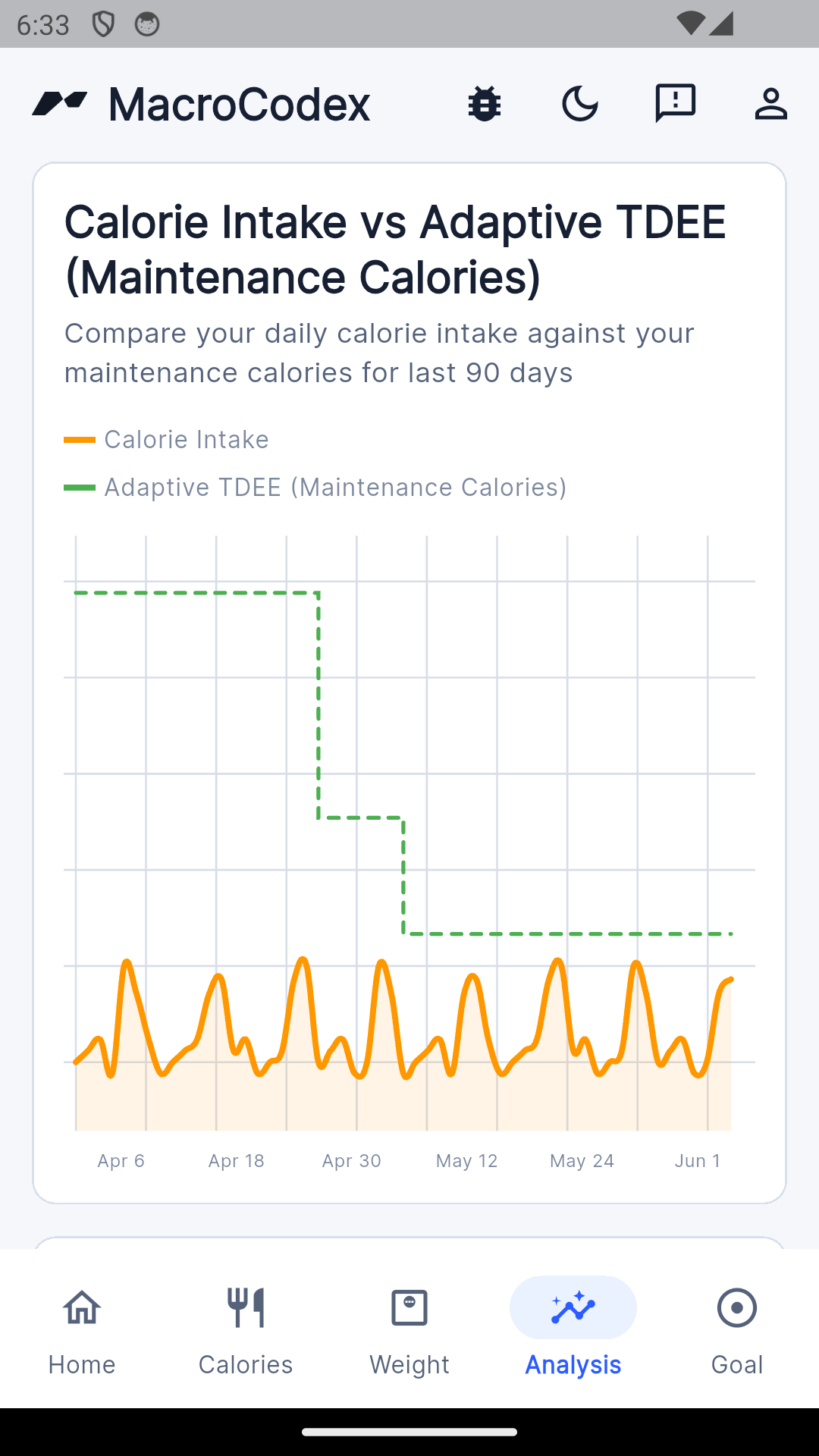
The best way I can describe it: my body and mind are no longer is in starvation mode. I plan, do, act and sleep well.